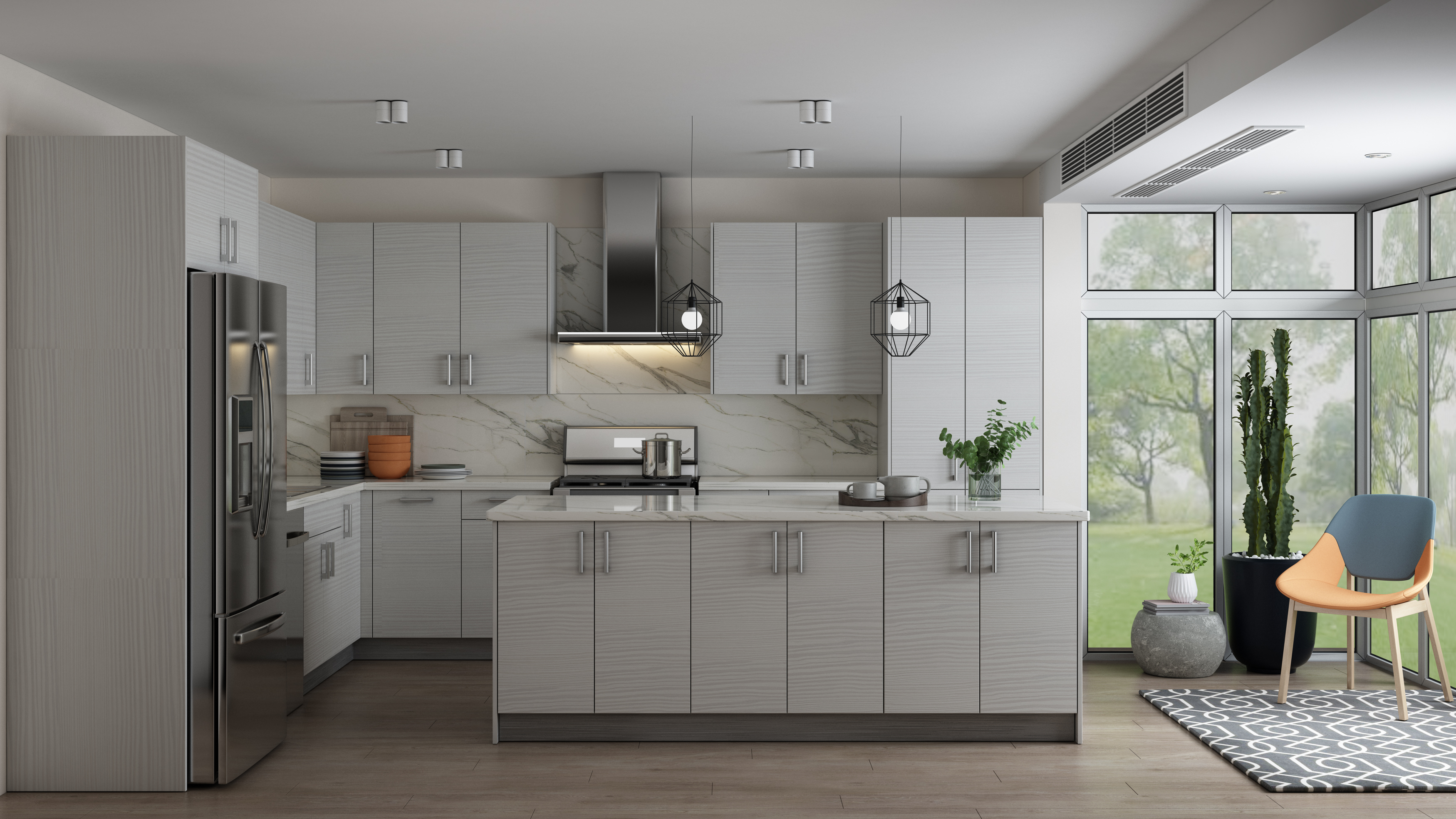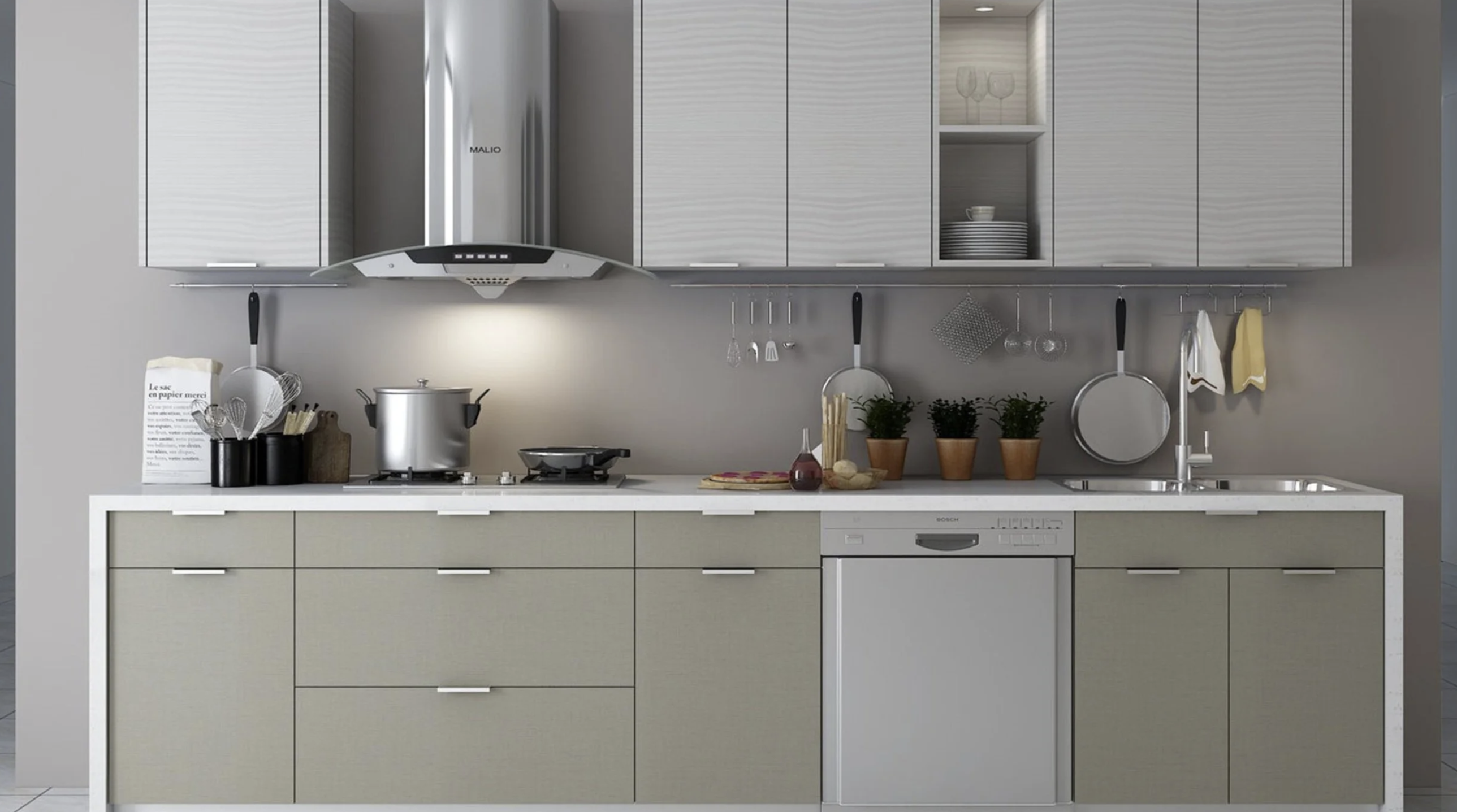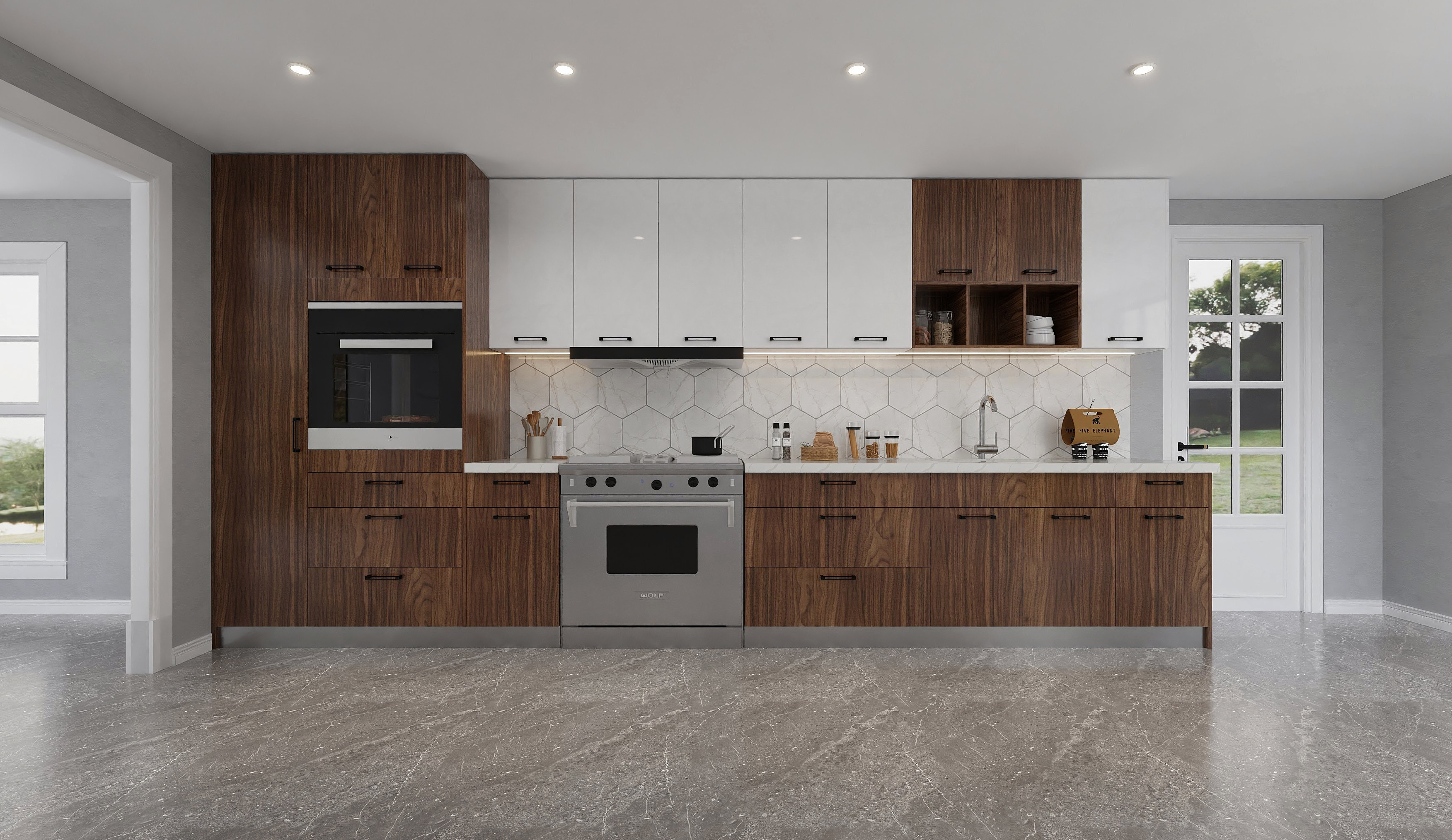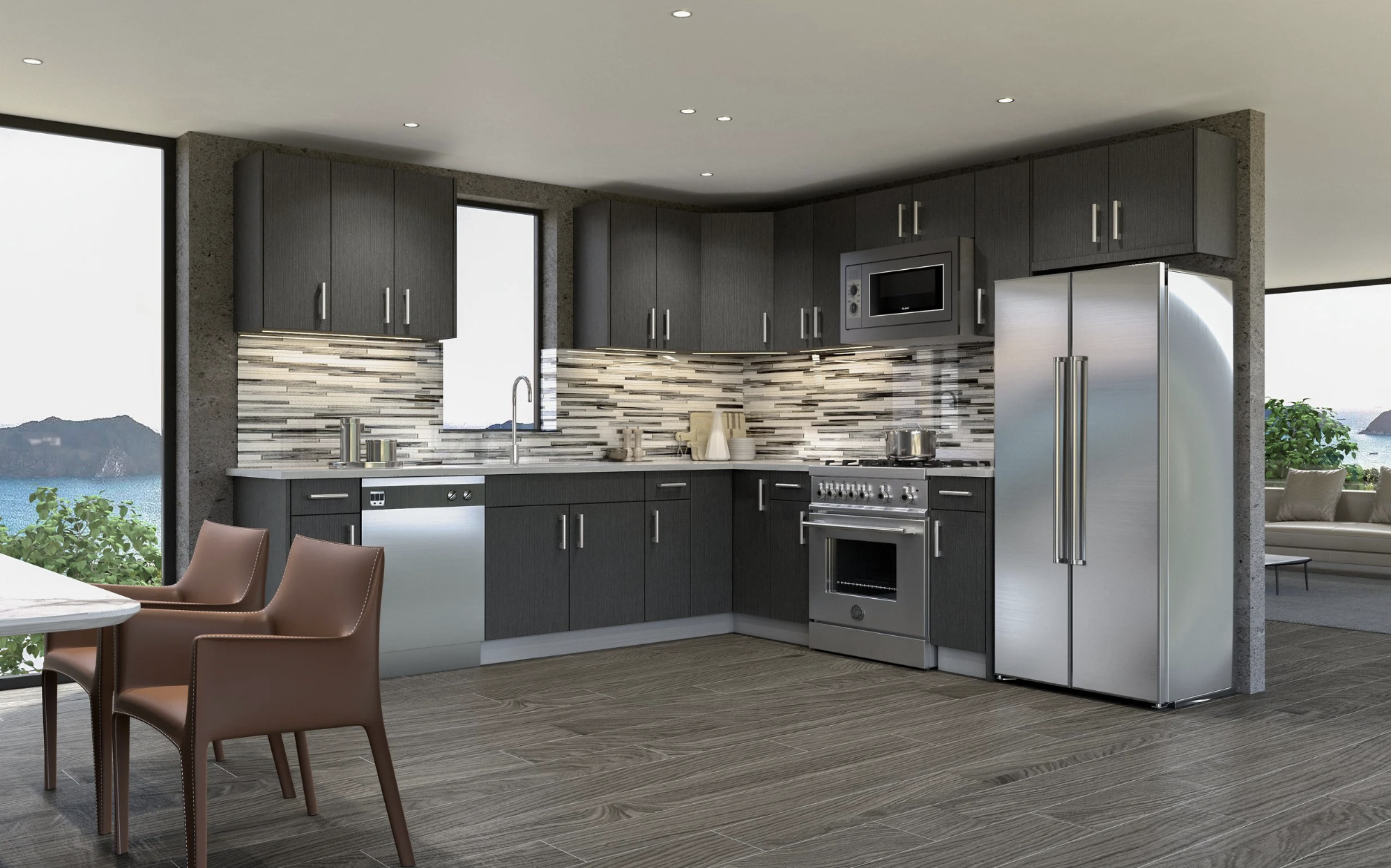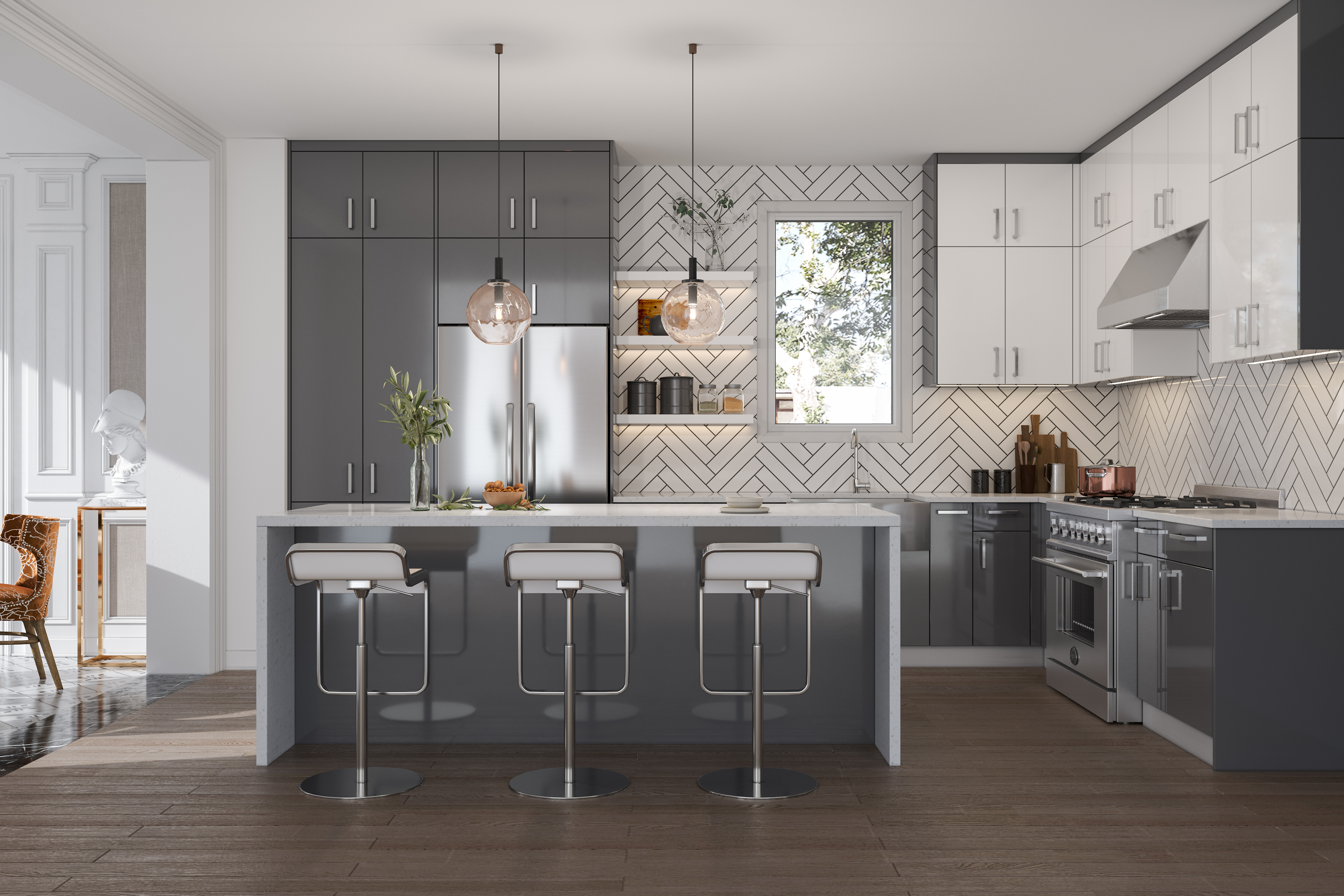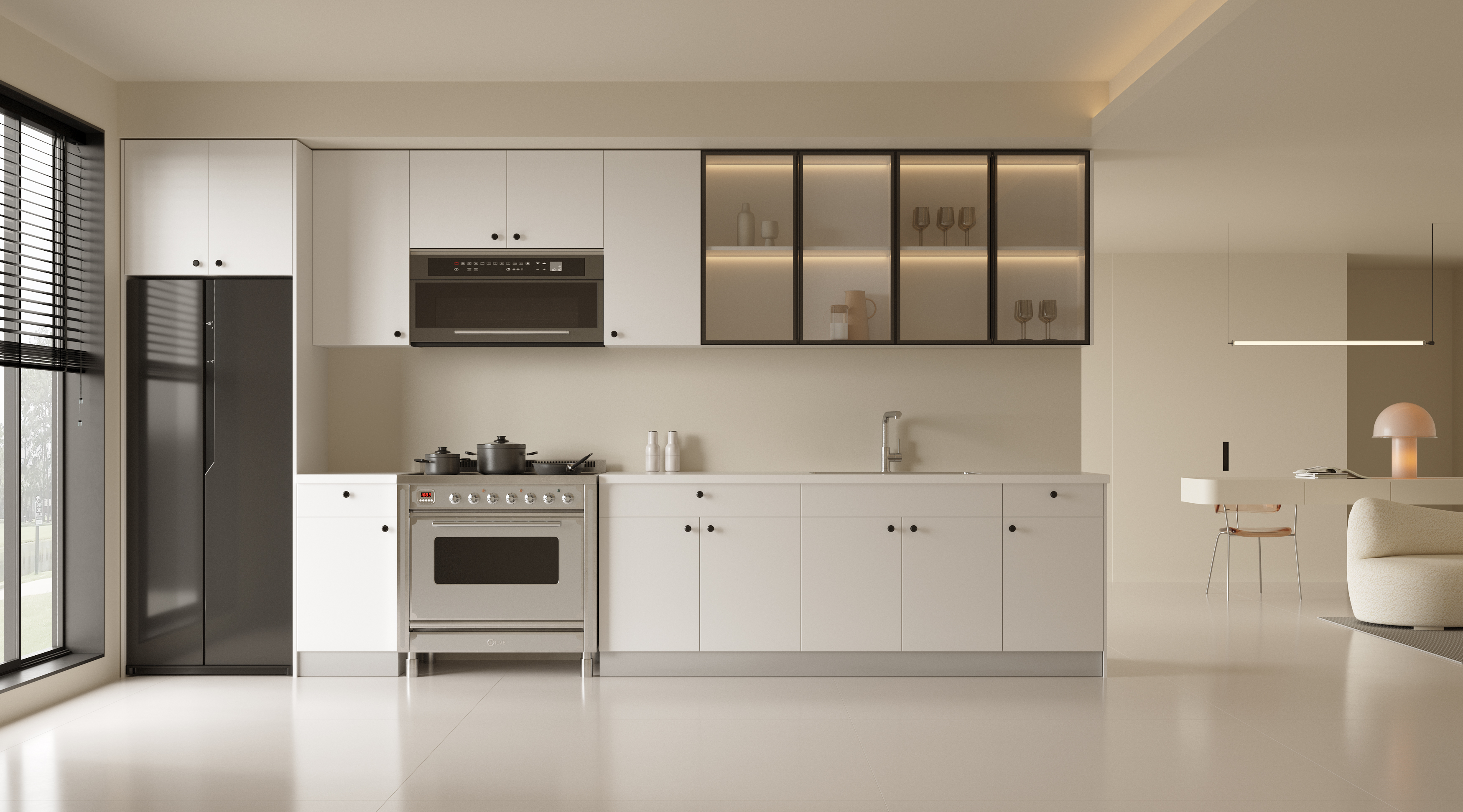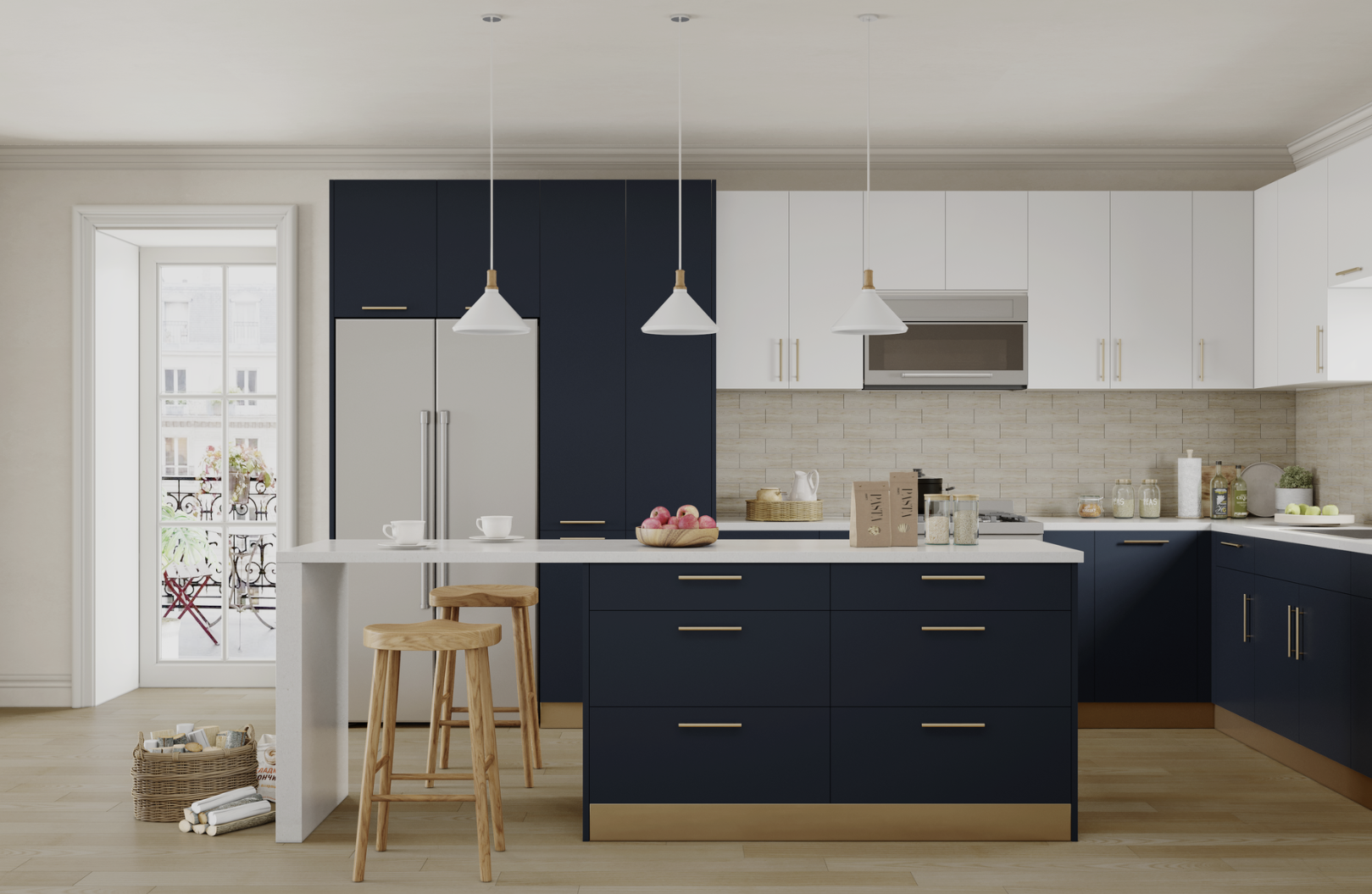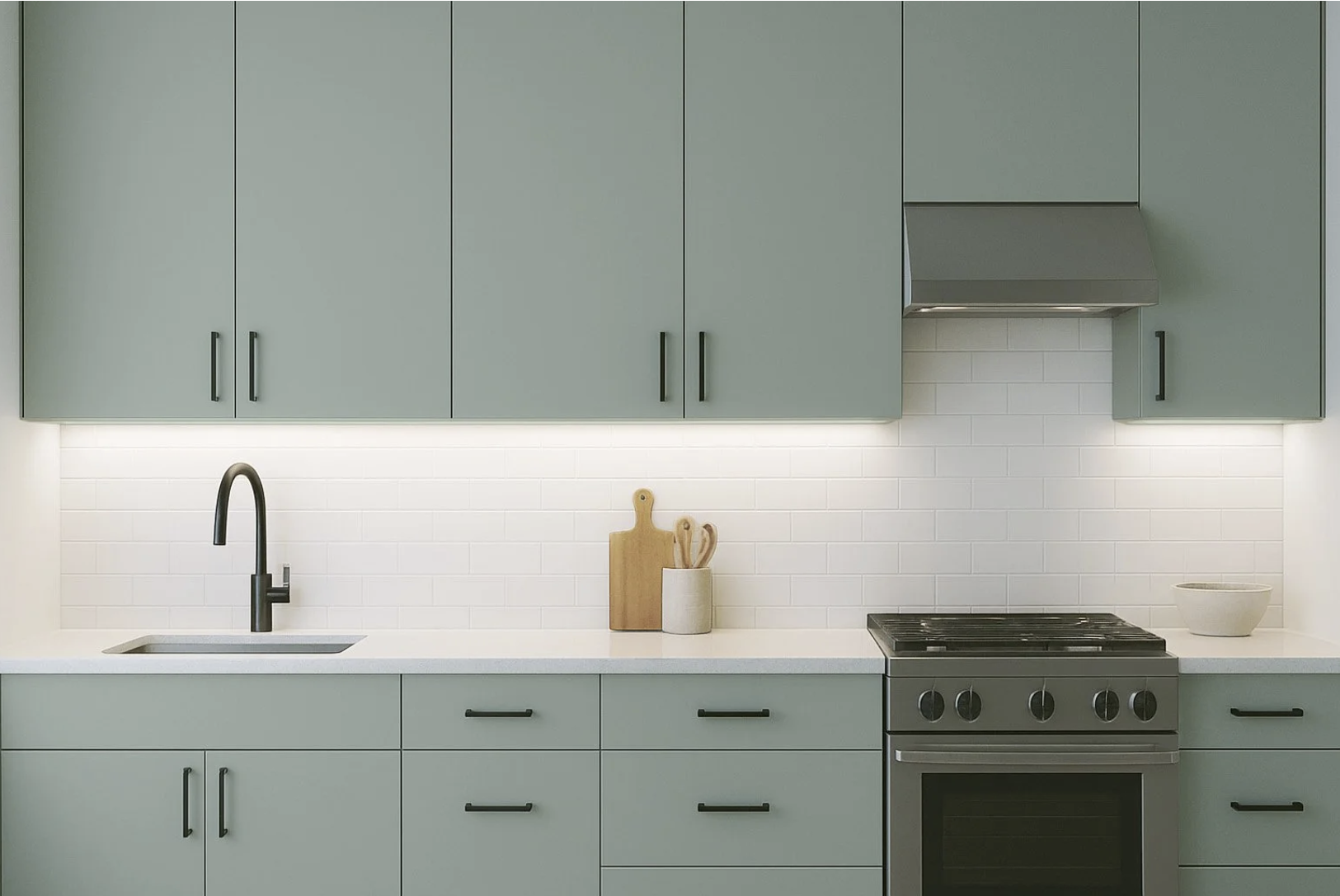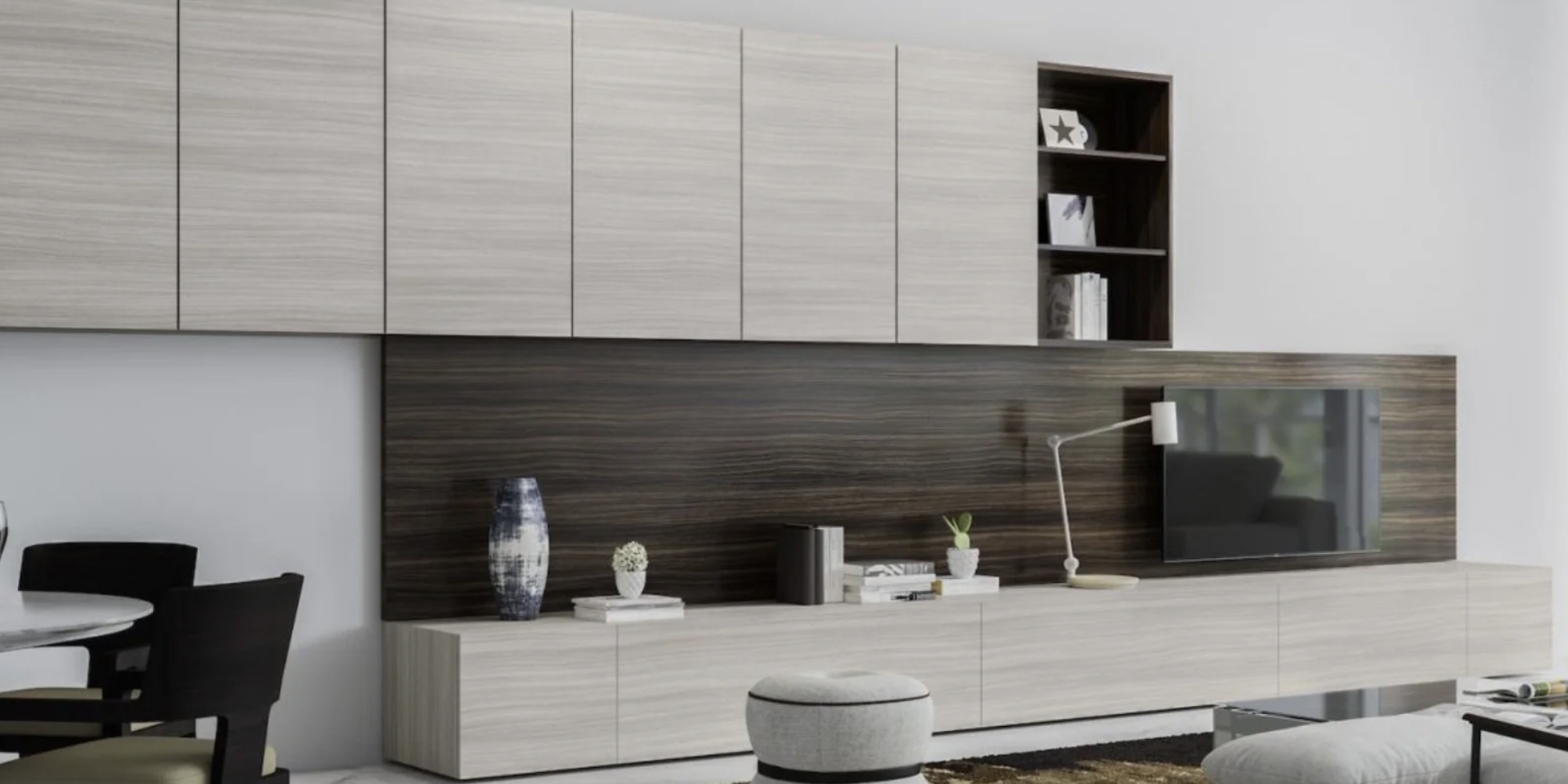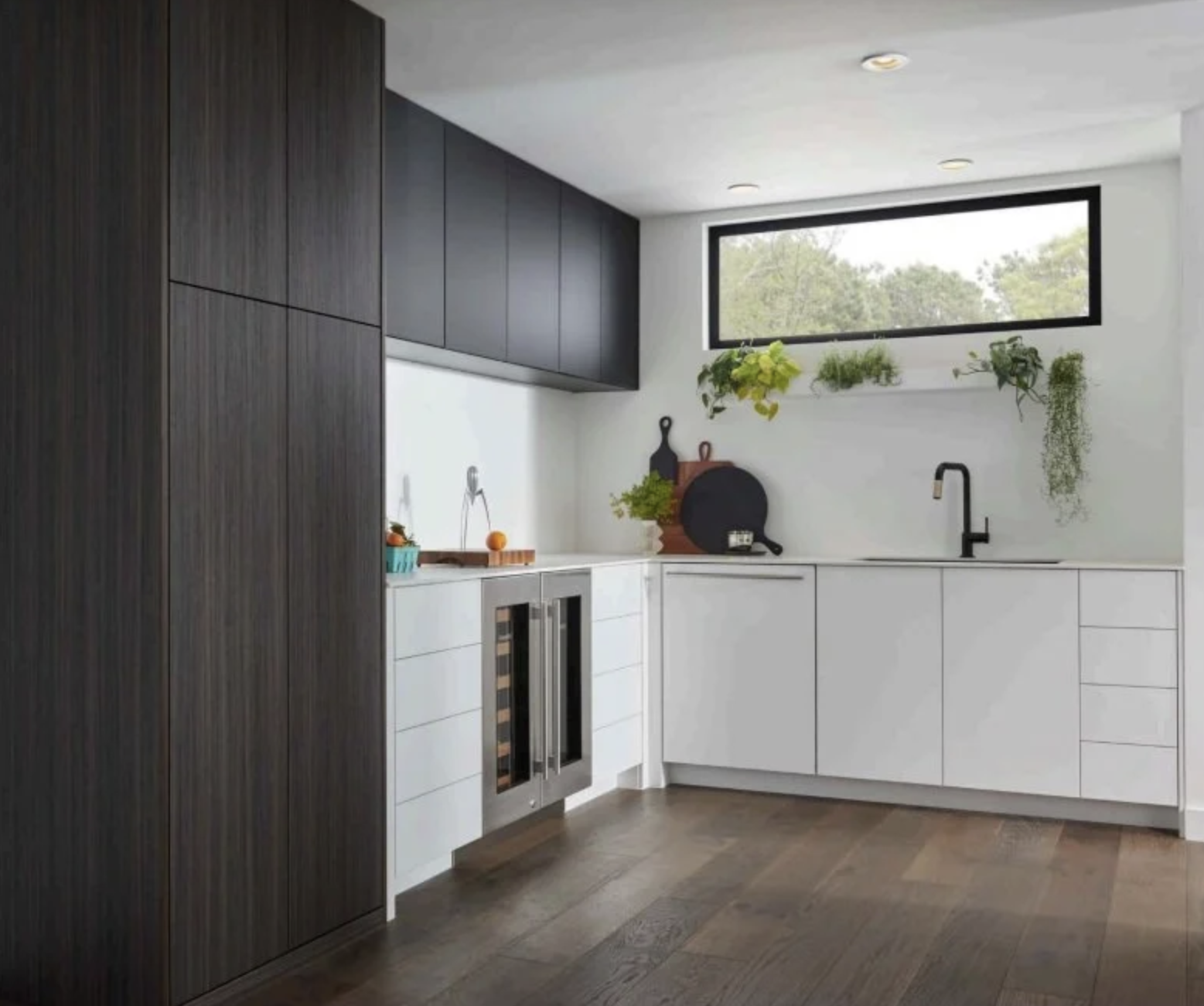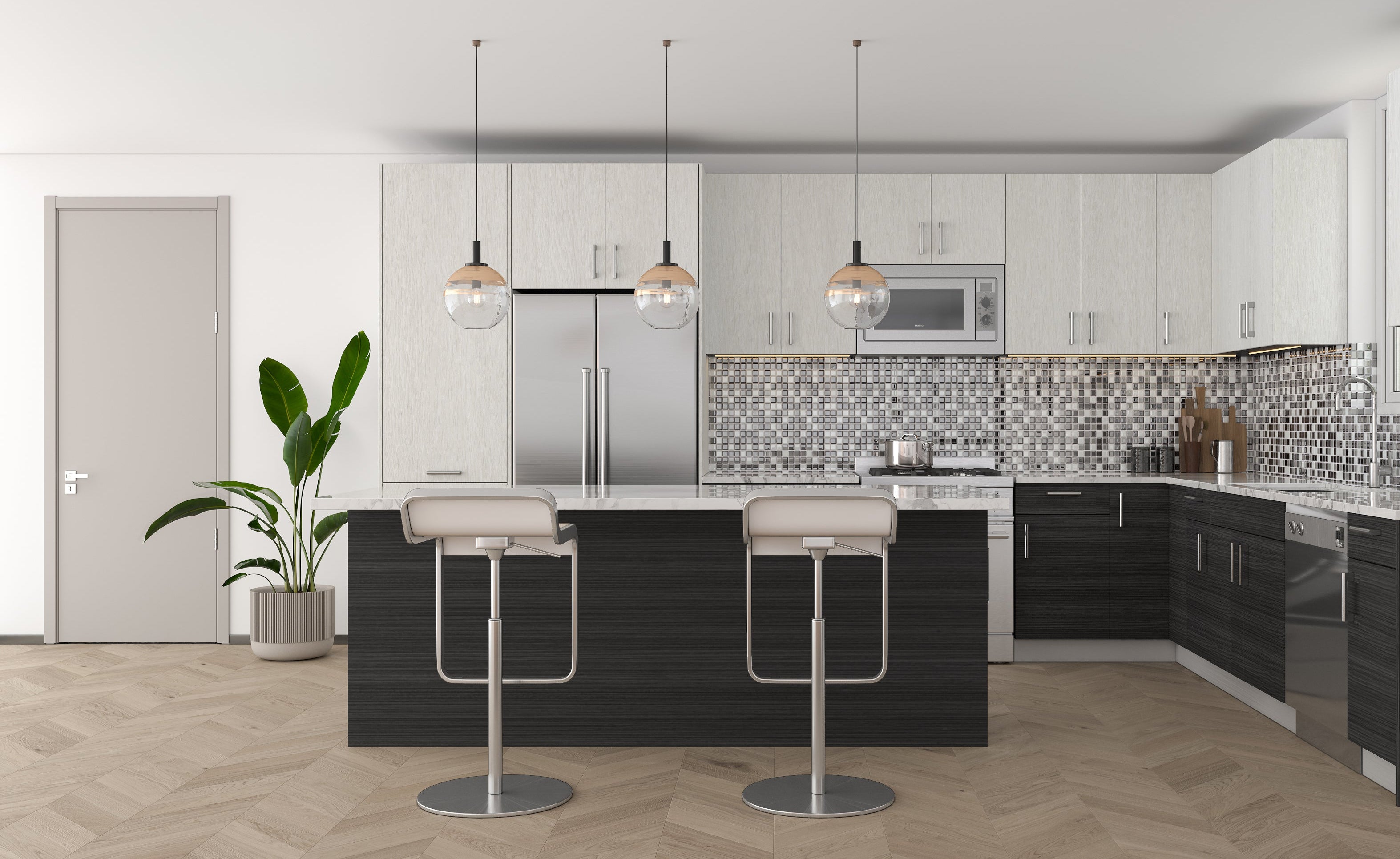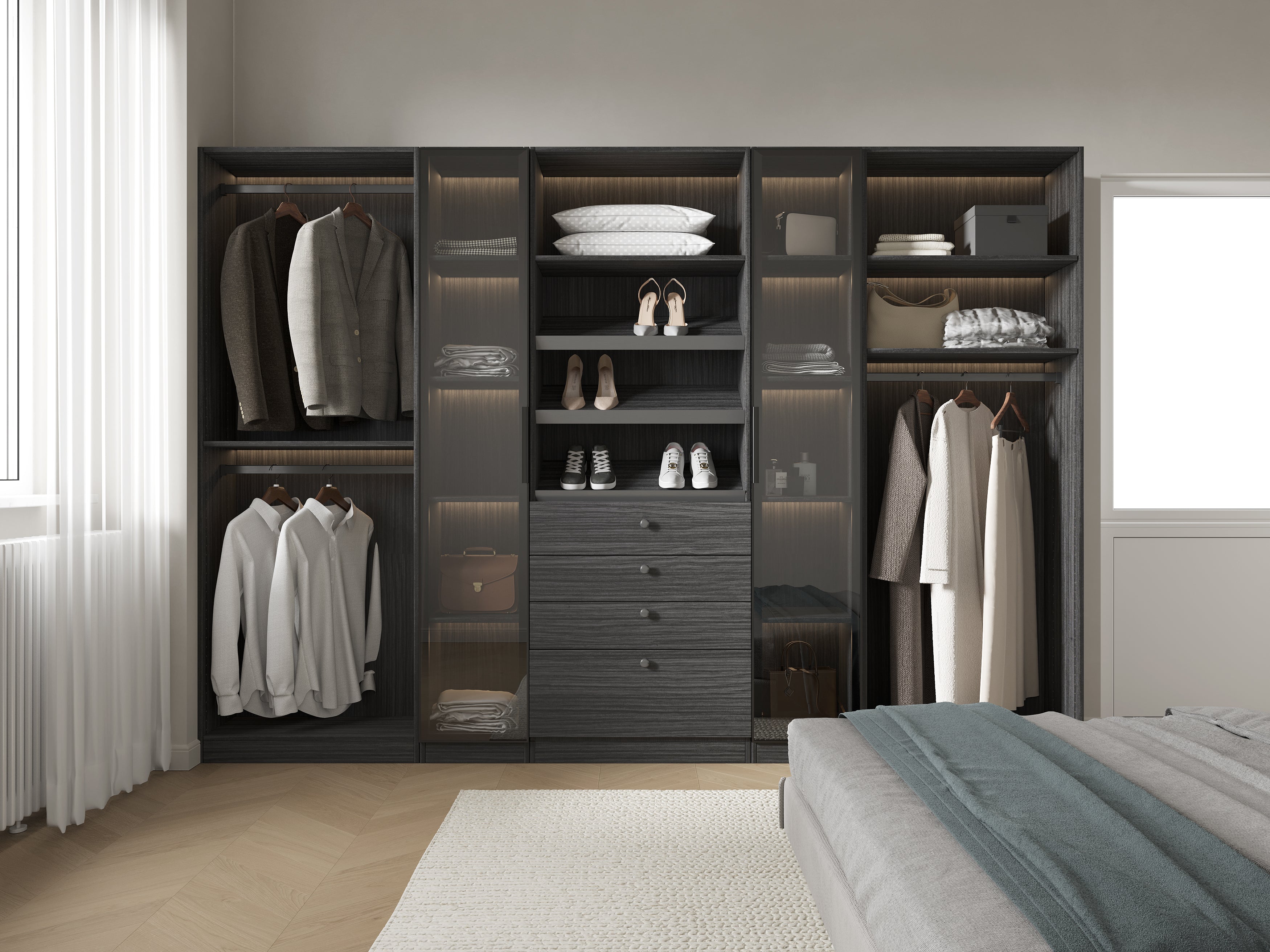
When planning a kitchen renovation, one of the biggest decisions homeowners face is choosing between a custom kitchen cabinet system and prefabricated (prebuilt) cabinets. Both options have advantages, but the differences in material quality, design flexibility, durability, and long-term value can be significant. As modern kitchen trends continue evolving in 2025, the gap between custom and prefab cabinetry has become even more noticeable.
This comprehensive comparison covers everything you need to know before making the investment—including cost breakdowns, performance differences, design capabilities, installation considerations, and which option offers the best value for modern homes.
1. What Are Custom Kitchen Cabinets?
Custom kitchen cabinets are made-to-order based on exact measurements, material choices, finishes, and design preferences. Every detail—from door style and storage features to hardware and layout—can be personalized.
Key advantages of custom cabinetry:
- Perfect fit for any kitchen layout
- Unlimited color, style, and material options
- Higher-quality craftsmanship
- Better long-term durability
- Advanced storage customization
Common applications:
- Luxury homes
- Modern kitchen cabinet designs
- Renovations requiring unique dimensions
- High-end interior design projects

2. What Are Prefab Kitchen Cabinets?
Prefab cabinets are mass-produced based on standard dimensions. They are pre-built or flat-packed, ready for quick installation, and available in limited color and style options.
Advantages:
- Lower cost
- Faster delivery and installation
- Suitable for temporary or budget renovations
Limitations:
- Inflexible sizing
- Lower material quality
- Shorter lifespan
- Limited modern kitchen cabinet design options
3. Durability Comparison
The quality of materials and construction methods has a major impact on durability. Custom cabinets typically outperform prefab cabinets due to premium materials such as plywood, solid wood, or high-quality MDF, while prefab options often rely on particle board.
| Feature | Custom Cabinets | Prefab Cabinets |
|---|---|---|
| Material Quality | High | Medium–Low |
| Moisture Resistance | Strong | Weak |
| Lifespan | 20–30 years | 5–10 years |
4. Design Flexibility
If your goal is a personalized modern kitchen renovation, custom cabinets provide far more flexibility. They support unique layouts such as:
- Full-height pantry towers
- Hidden appliance garages
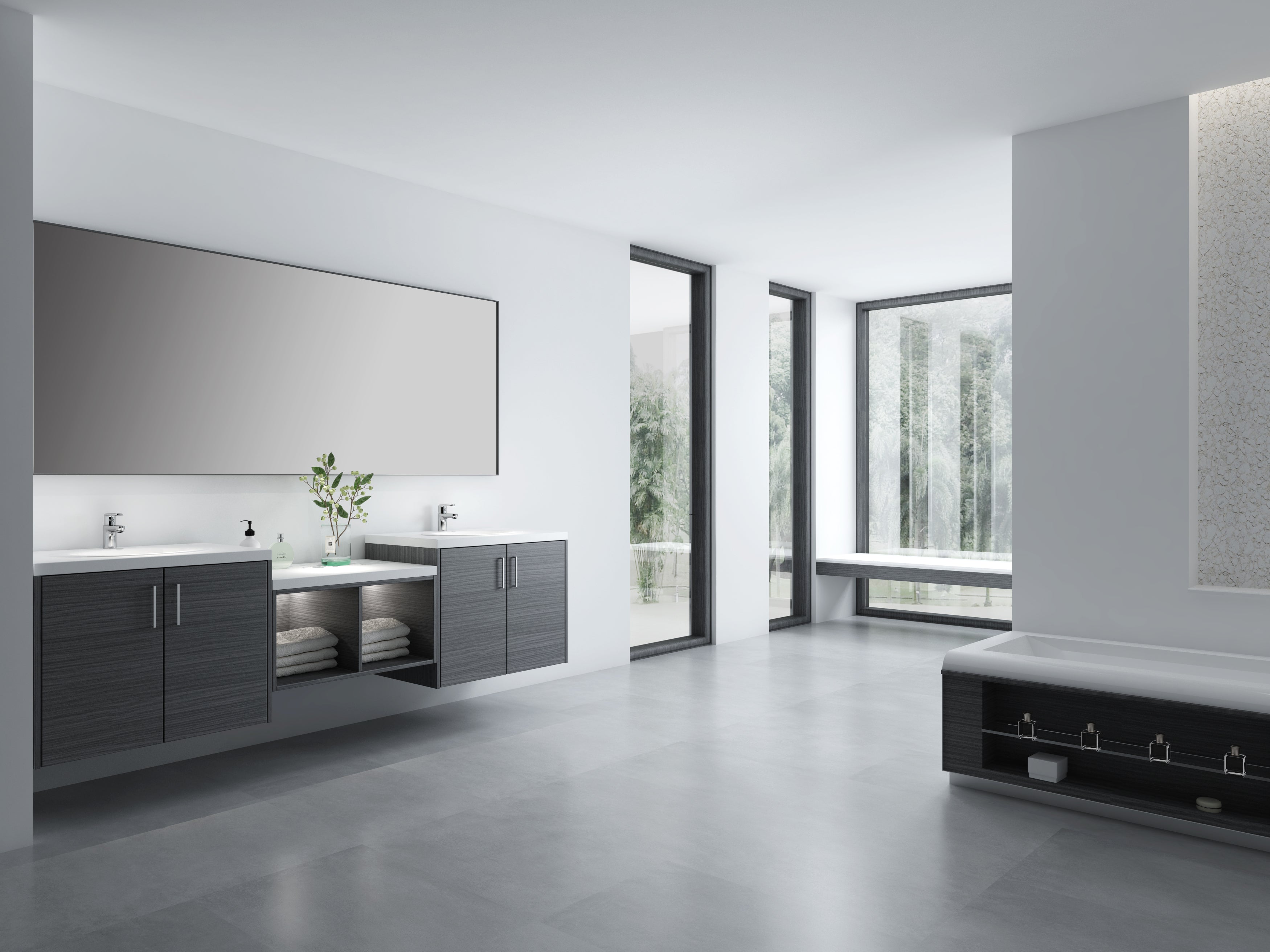
- Floating modern kitchen cabinets
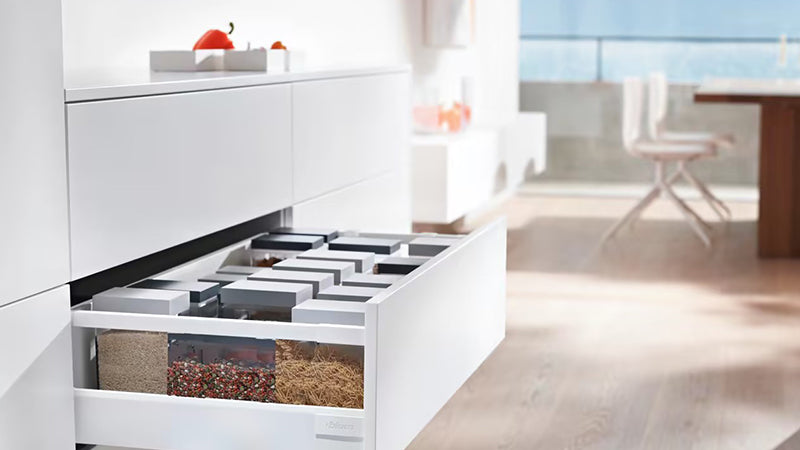
- Deep storage drawers
- Corner pull-out systems
Prefab cabinets cannot accommodate irregular layouts or unique design requirements.
5. Storage Efficiency
Custom cabinets maximize every inch of kitchen space. Homeowners can include built-in organizers such as:
- Spice pull-outs
- Tray dividers
- Soft-close deep drawers
- Lazy susans
- Waste sorting systems
Prefab cabinets offer minimal modification and limited interior accessories.
6. Cost Comparison
Here is a general cost breakdown (may vary by region):
- Custom kitchen cabinets: $10,000–$35,000+
- Prefab cabinets: $3,000–$12,000
Although custom cabinets cost more upfront, their longer lifespan and higher resale value often make them a better long-term investment.
7. Installation Process
Custom cabinets require professional installation. Prefab options may be DIY-friendly but risk poor alignment or weaker structural support if improperly installed.
8. Which Option Is Better for 2025?
With modern homeowners seeking personalization, ergonomic layouts, and high-end aesthetics, custom kitchen cabinets remain the top choice for 2025. Prefab cabinets are suitable only for short-term or budget renovations.
Conclusion
If you value durability, modern kitchen cabinet design flexibility, and premium craftsmanship, custom kitchen cabinets offer significant advantages over prefab solutions. They enhance your daily cooking experience and add long-term value to your home.