
Most kitchen renovation mistakes aren't made during construction. They're made during planning — specifically, when storage layout decisions are deferred until after everything else is fixed. A kitchen wardrobe positioned without reference to workflow, door swing clearance, or appliance depth is a wardrobe that will frustrate its owner every single day.
This guide approaches the design of kitchen wardrobe layouts from a spatial intelligence perspective: how to read your kitchen's geometry, how to zone storage logically, and how to avoid the configuration errors that show up only after move-in.

Start With the Kitchen's Movement Pattern, Not Its Dimensions
Before placing a wardrobe on a floor plan, map the kitchen's primary movement paths. In practice, this means three zones: the cooking zone (range/hob area), the preparation zone (counter and sink), and the storage zone (refrigerator and dry goods). These three points form a triangle — and your kitchen wardrobe should sit at the storage apex without interrupting movement between the other two.
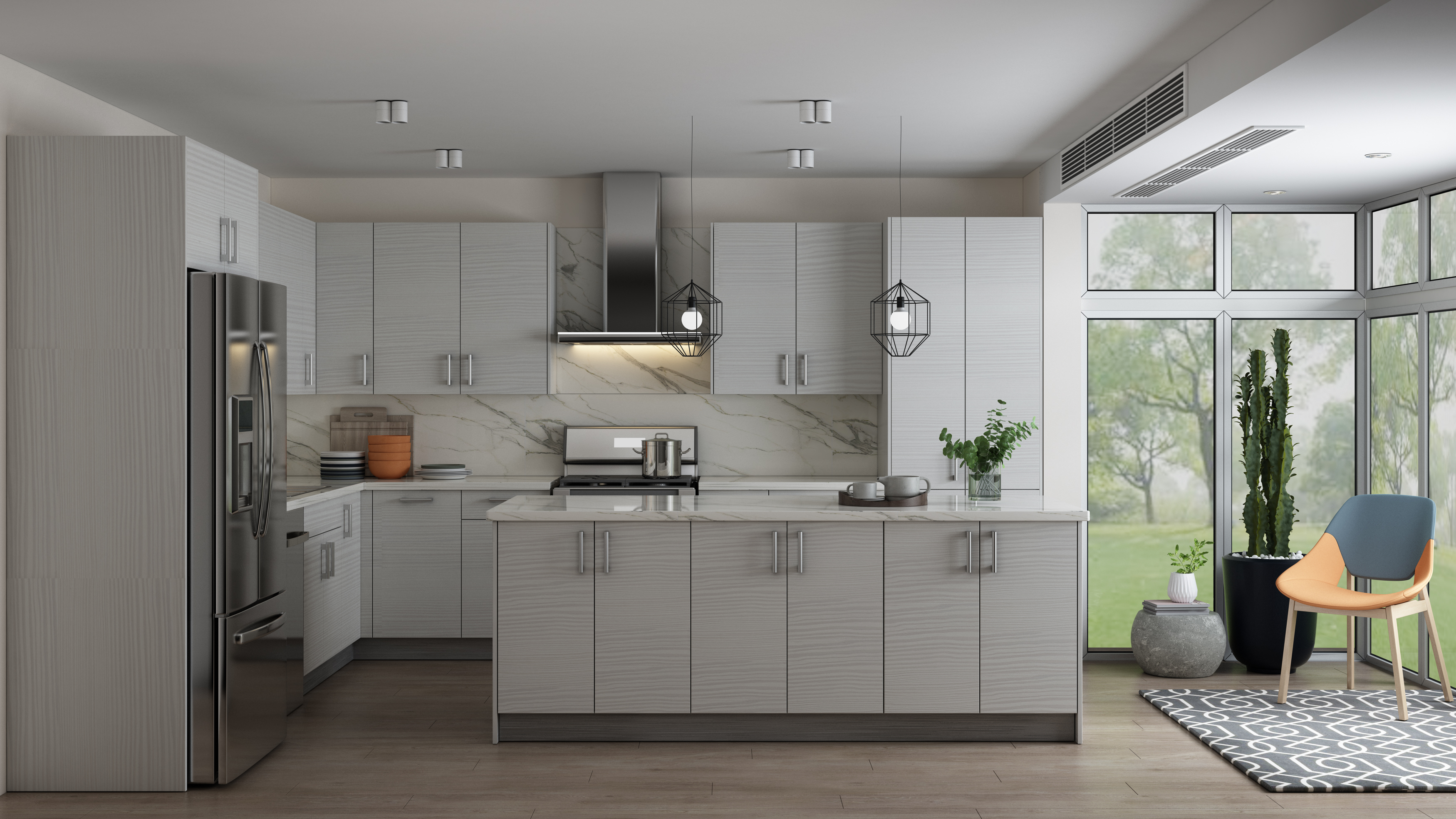
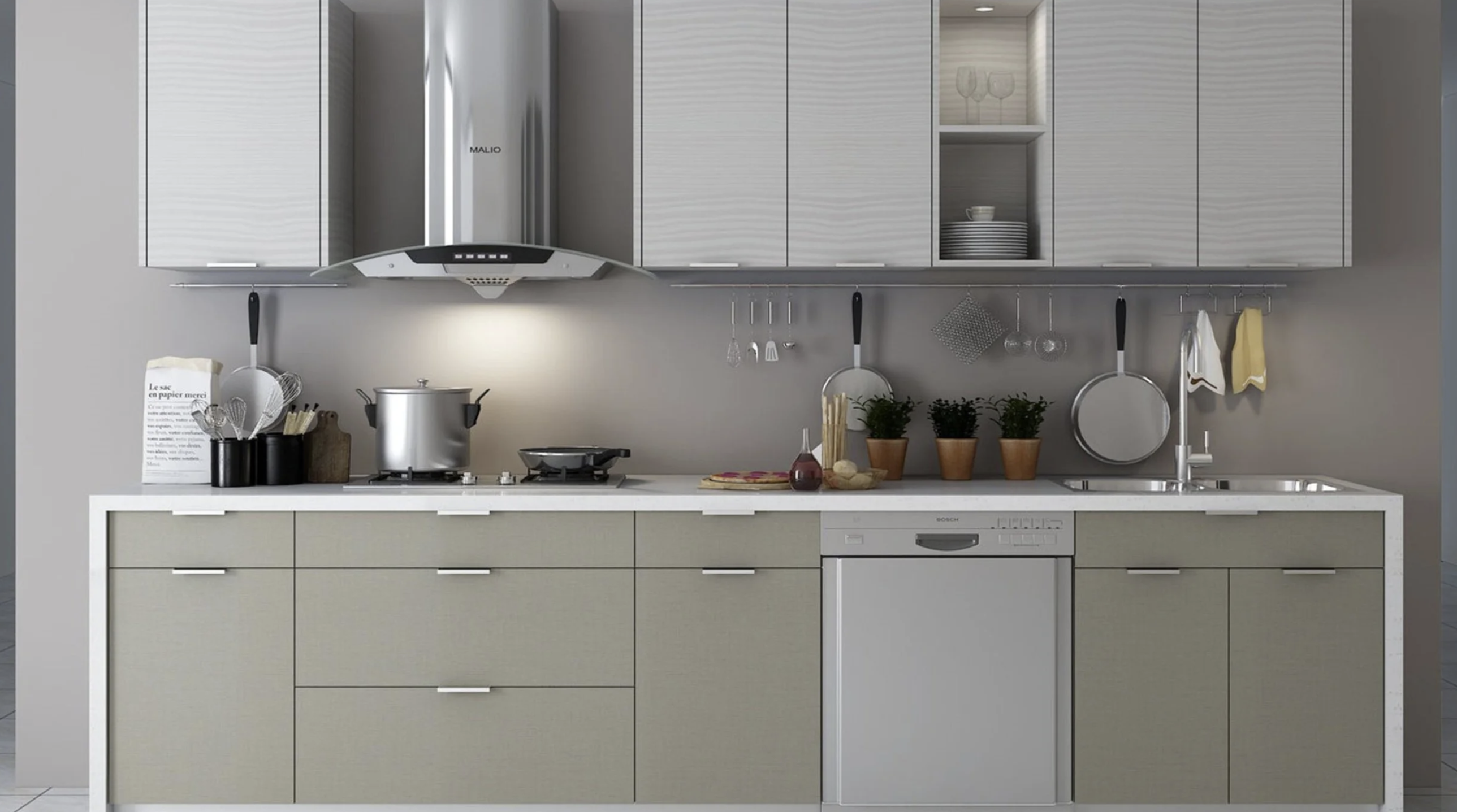
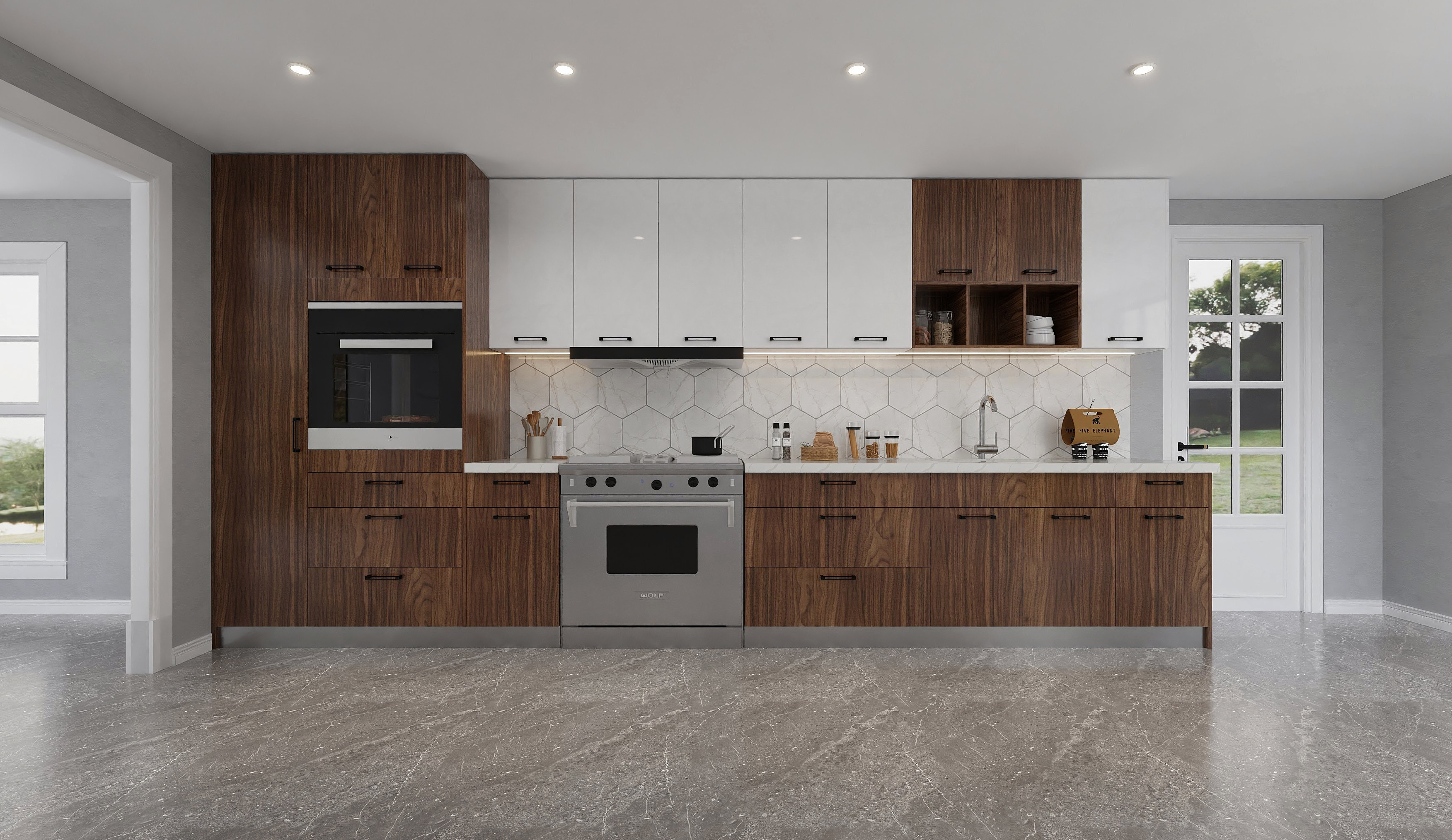
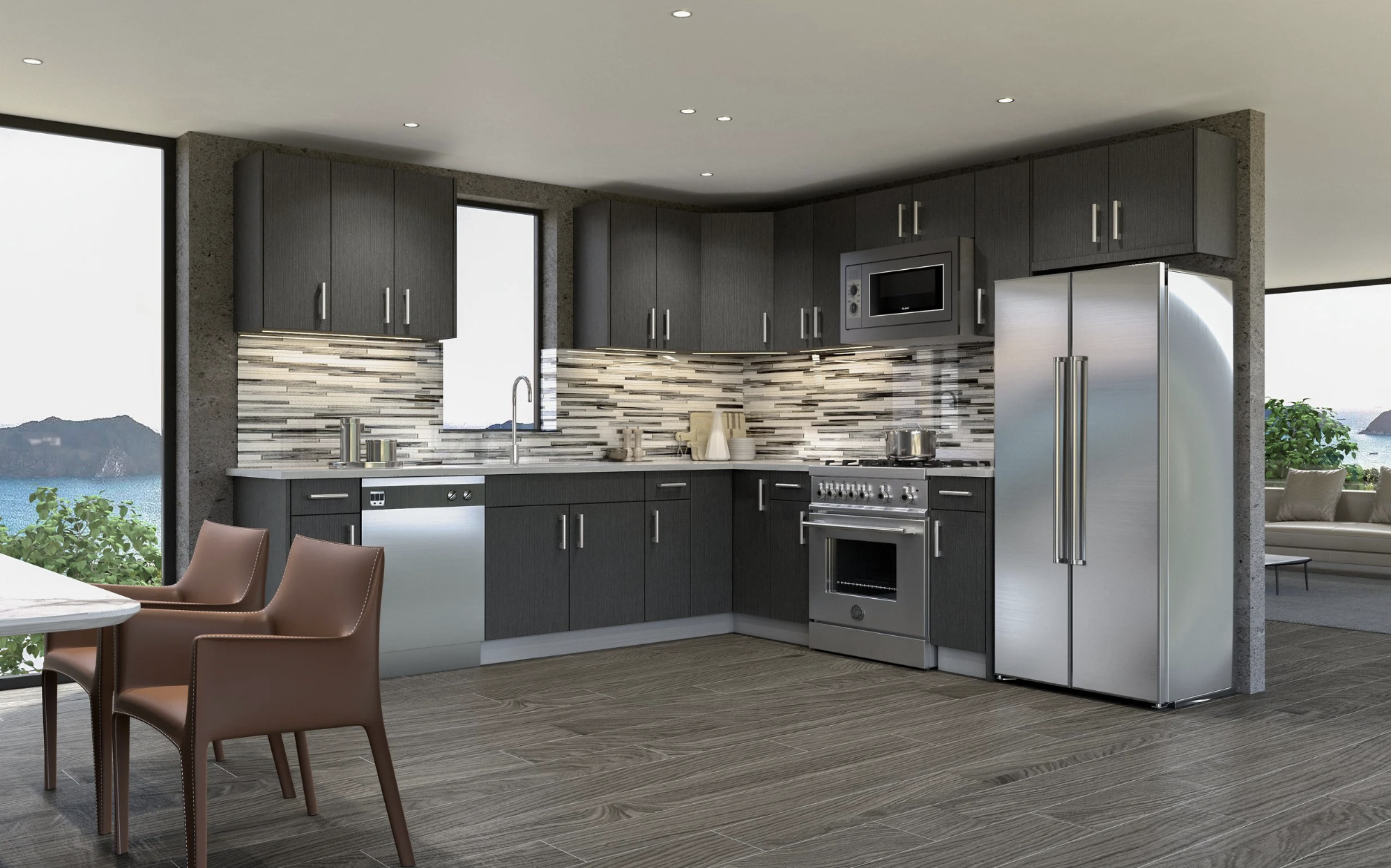
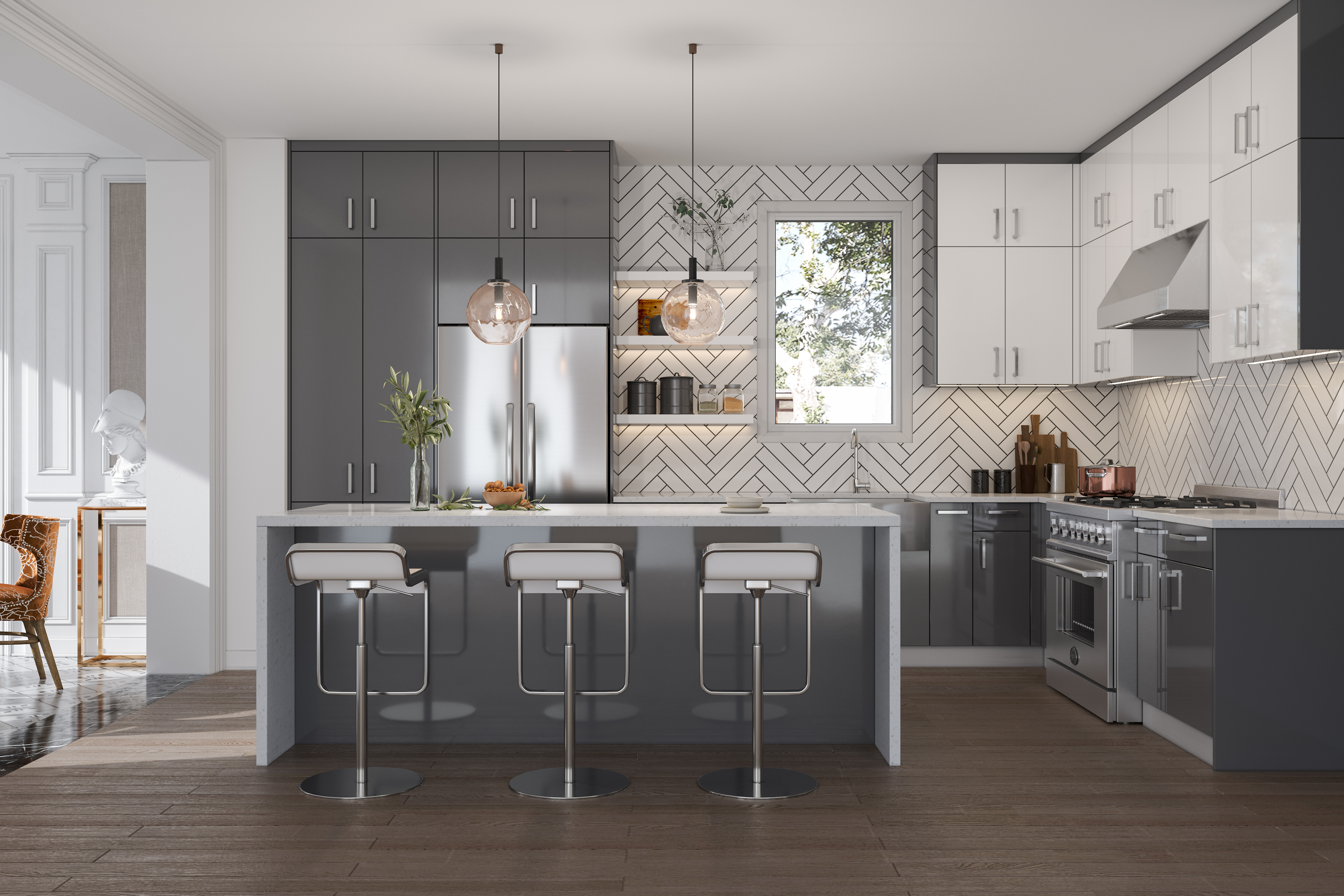
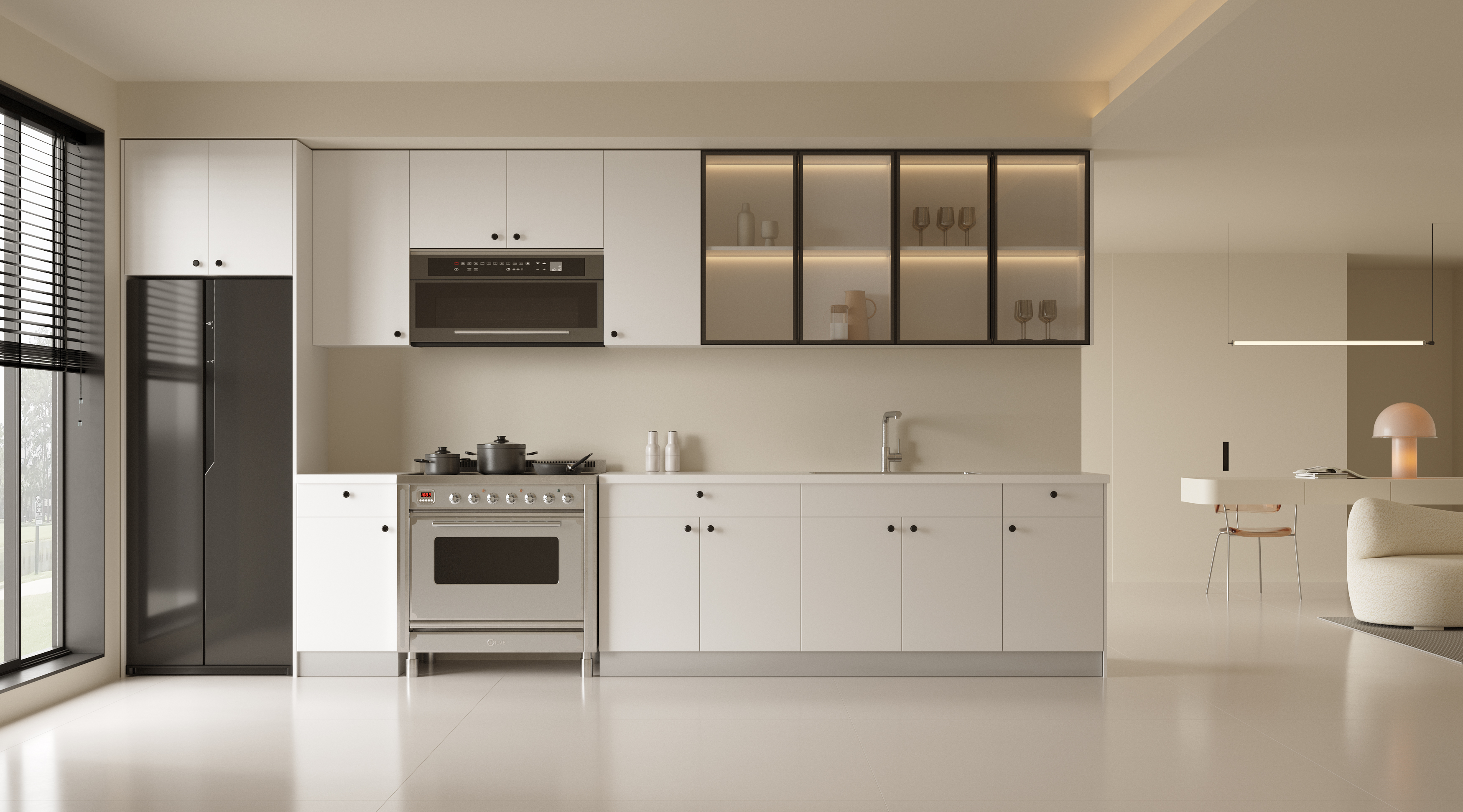
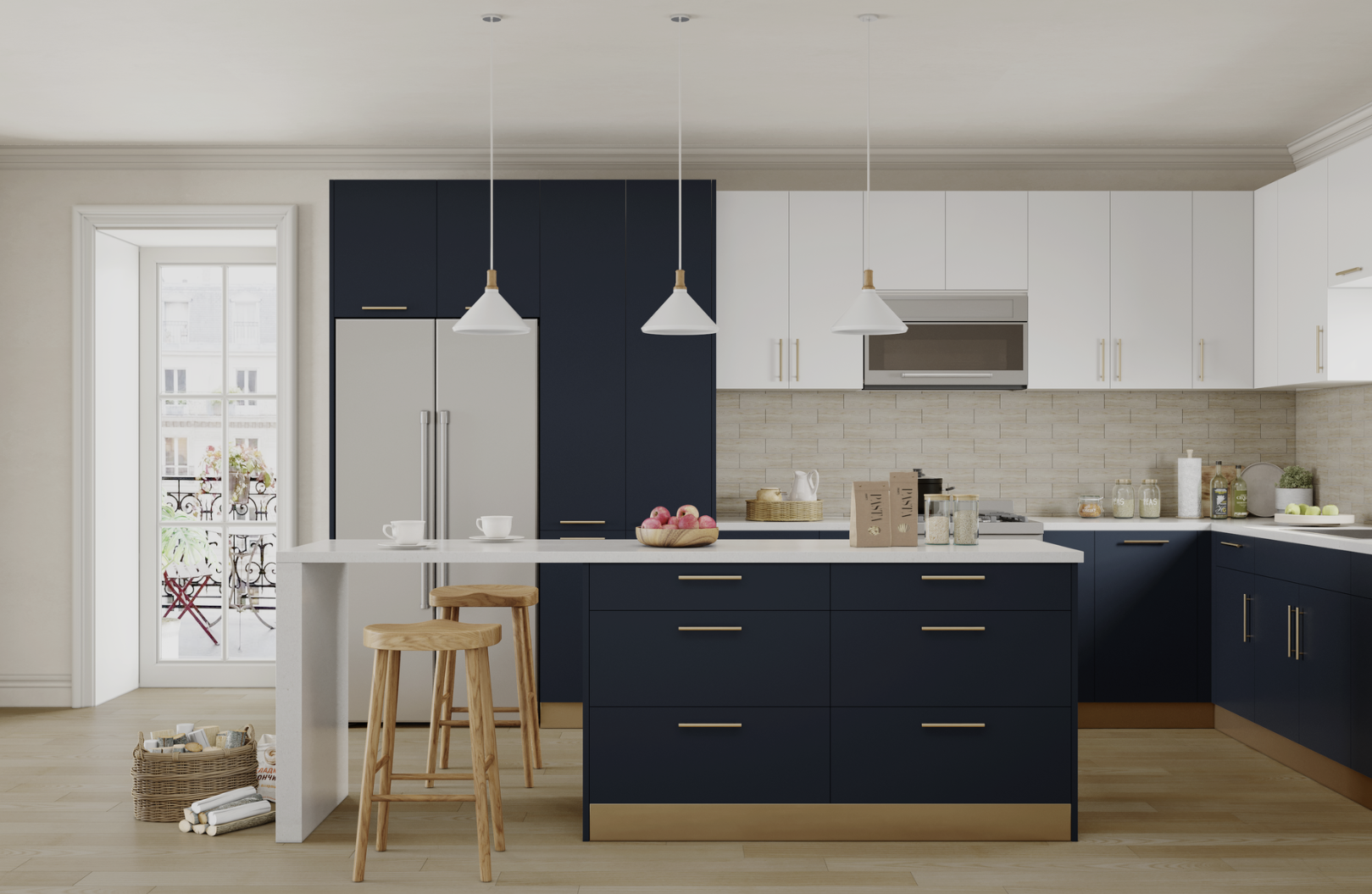
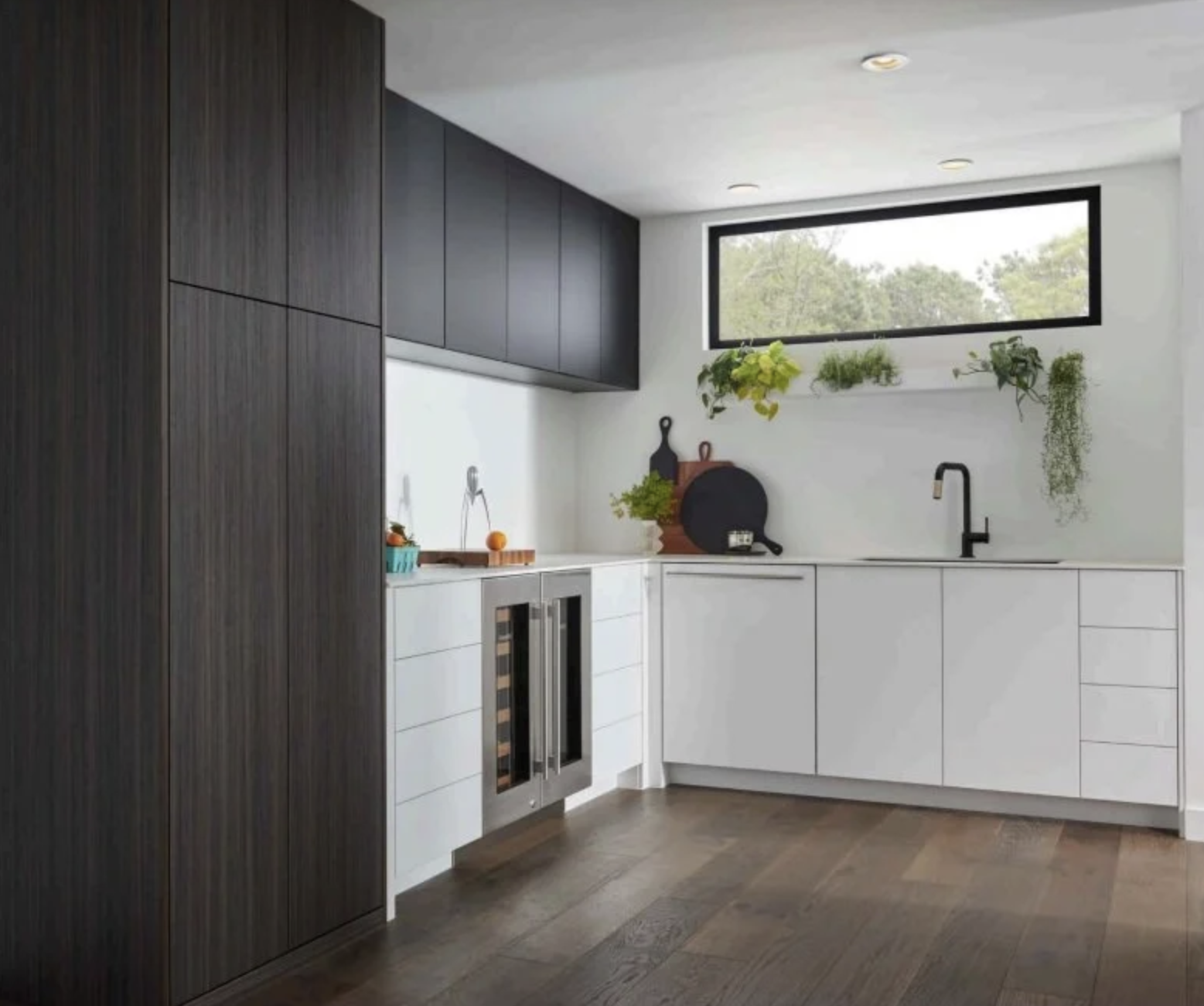
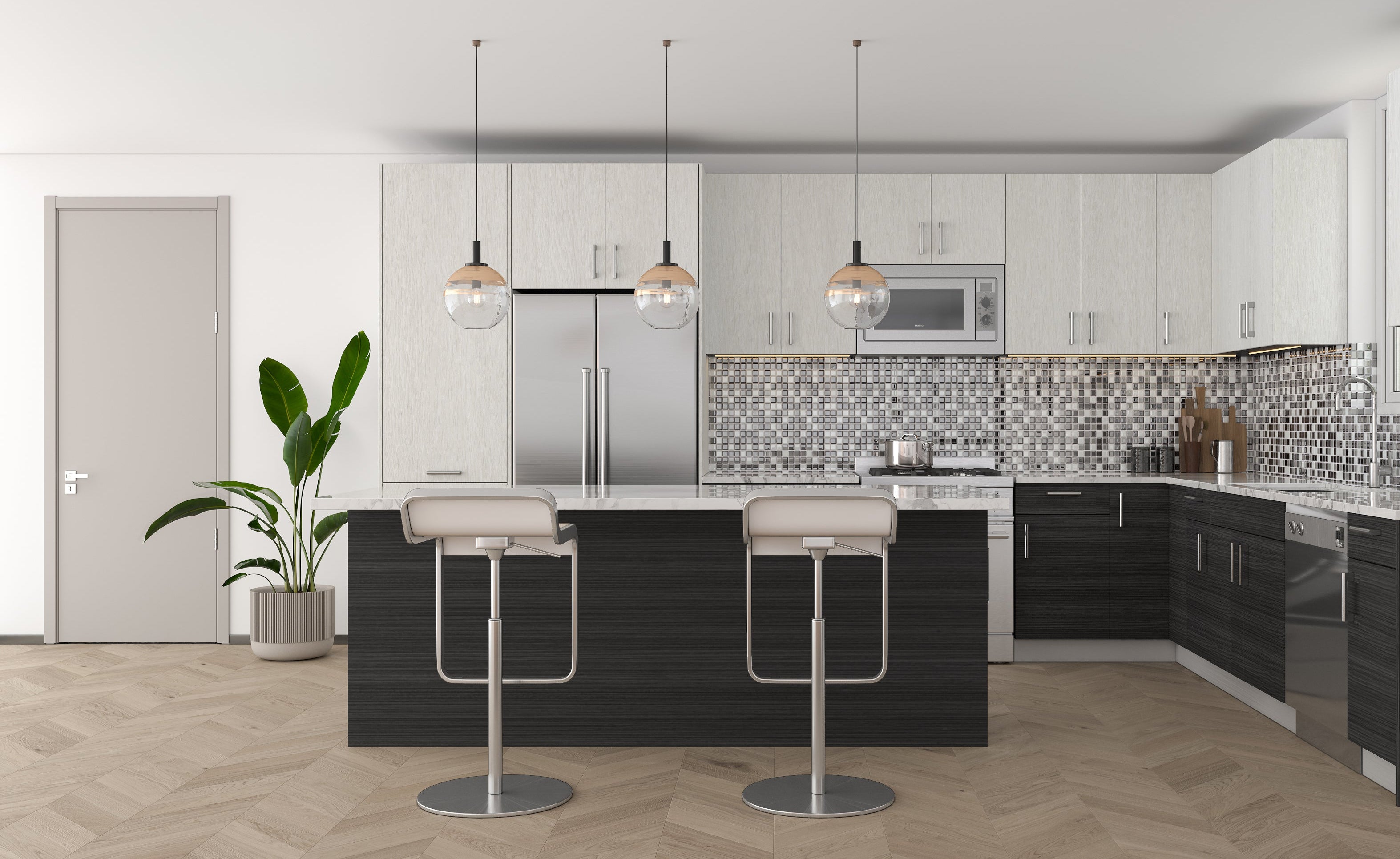
In galley kitchens, this typically means positioning the wardrobe column at one end of the run, keeping the opposing walls clear for cooking and prep. In L-shaped and U-shaped configurations, a wardrobe tower placed at the corner transition point between two runs tends to anchor the space visually while keeping both active zones accessible.
The 900mm Clearance Rule
Any kitchen wardrobe that includes full-height doors requires a minimum 900mm of clear floor space in front of it to open comfortably and allow a person to access interior shelving without stepping backward into an obstacle. In islands-plus-wardrobe configurations, 1100mm is the working minimum. These are not generous guidelines — they are functional thresholds. Below them, the wardrobe becomes a nuisance.
Zoning the Interior: What Goes Where and Why
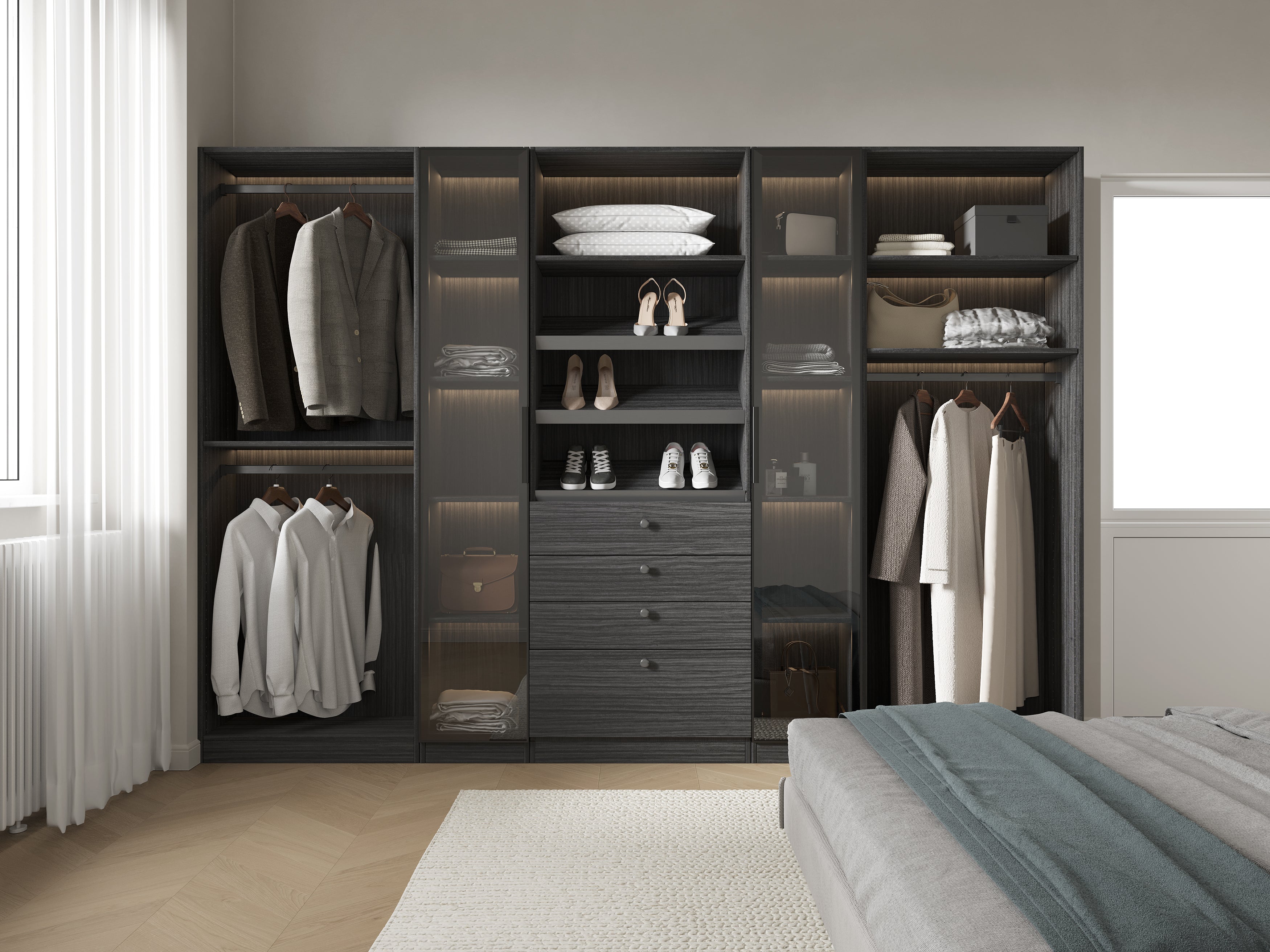
A kitchen wardrobe is only as useful as its internal organization. Treating the interior as undivided shelf space — the most common planning error — guarantees that the wardrobe will be disorganized within six months of use. The better approach divides the column into functional zones based on how often items are used.
The Frequency Hierarchy
- Eye-level zone (150–180cm from floor): Everyday items — cereals, oils, spices, and the things reached for multiple times daily. This is the wardrobe's prime real estate.
- Upper zone (above 180cm): Seasonal items, bulk purchases, and anything used monthly rather than daily. Deep shelves work here; pull-down mechanisms help for elderly or shorter users.
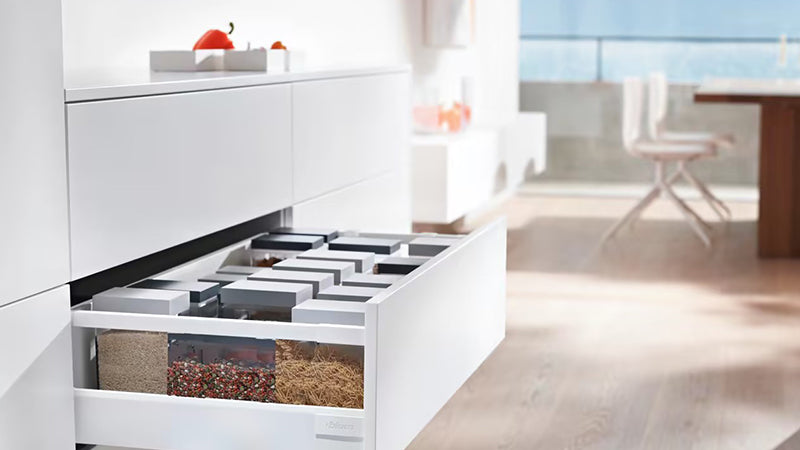
- Lower zone (below 90cm): Pull-out drawers for root vegetables, heavy canned goods, and cooking pots. Avoid fixed shelves at this height — they create dead corners that accumulate forgotten items.
- Appliance zone (variable): If the wardrobe incorporates a built-in oven or microwave, position these at roughly 80–100cm from floor height — ergonomically accessible without bending or stretching.
Kitchen Wardrobe Depth: A Decision With Consequences
Standard kitchen wardrobe depth is 600mm — the same as base cabinet depth — but this figure deserves scrutiny rather than automatic acceptance. A 600mm-deep pantry wardrobe can easily swallow items at the back, creating a storage dead zone that food expires in.
Conversely, wardrobes designed to house tall appliances (American-style refrigerators, wine coolers) may require 650–700mm depth with reinforced internal structure. Custom dimensions are the honest solution — which is why off-the-shelf wardrobe units frequently disappoint when the kitchen has unusual wall configurations or appliance specifications.
Depth Versus Width Trade-offs
- Deeper wardrobes store more but require more discipline in organization
- Narrower, taller wardrobes (300–400mm wide) can fit into otherwise unusable wall sections between doors or windows
- Multiple narrow towers often outperform a single wide wardrobe in terms of access efficiency
Open-Plan Kitchens: The Wardrobe as Room Divider
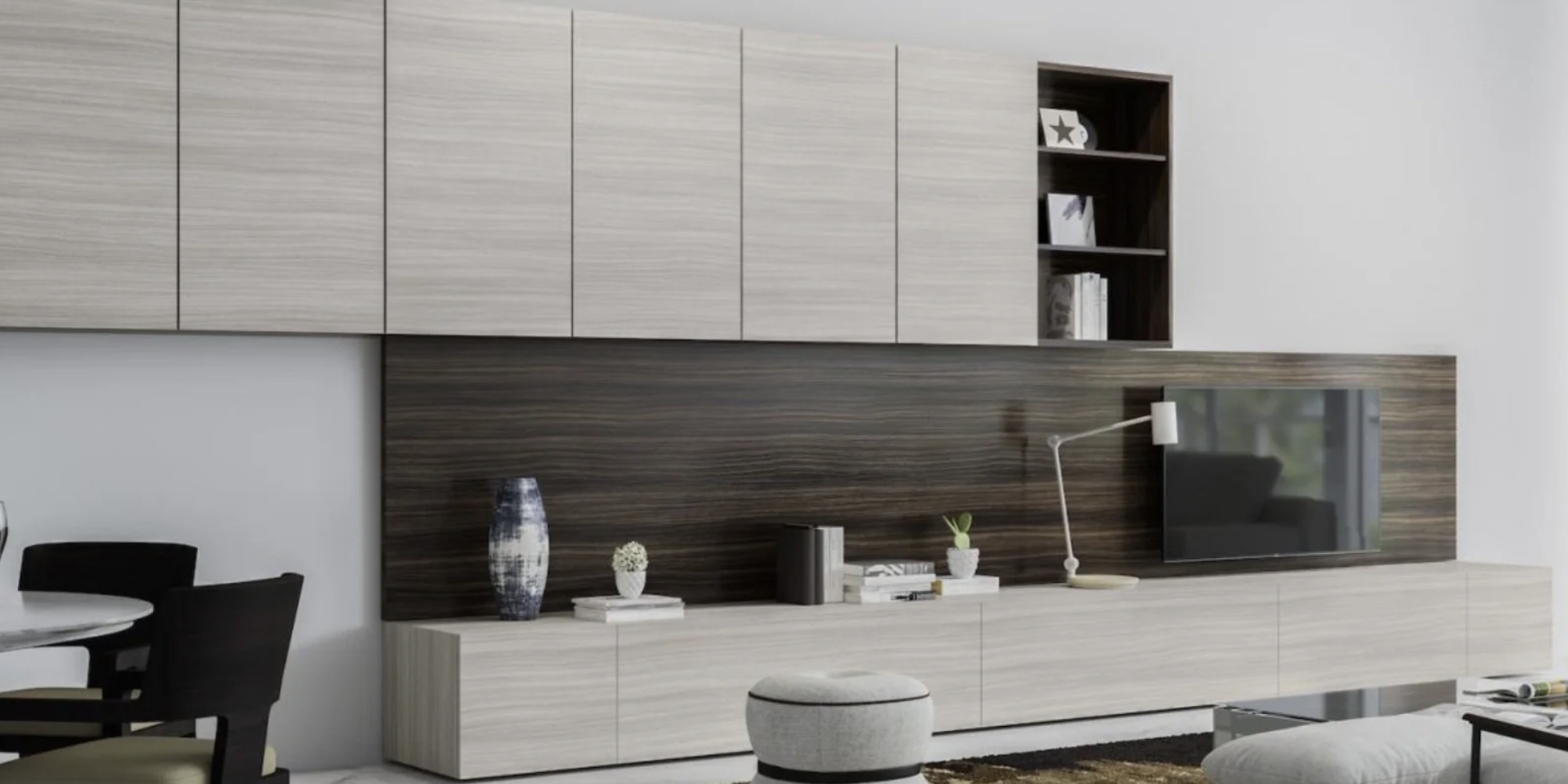
Open-plan living has created a specific kitchen wardrobe challenge: the unit is visible from living and dining areas, which means its design must hold up to scrutiny from multiple vantage points. A wardrobe that reads as pure utility in a closed kitchen looks like office furniture in an open living space.
The solution most designers reach for is the double-sided wardrobe — a unit that presents finished cabinet doors to the kitchen side and a different face (bookshelves, display niches, or decorative panel work) to the living side. This approach requires coordination with structural support and slightly increased depth (typically 700–800mm total), but the spatial efficiency is significant: one element serves two rooms simultaneously.
Visual Continuity in Open Layouts
For kitchen wardrobes that will be seen from the dining or living area, material consistency matters enormously. Cabinetry that matches or deliberately contrasts with the living room joinery — rather than existing in its own visual register — reads as intentional design rather than contractor default. This is a decision best made early, not retrofitted.
Planning for What You Don't Own Yet
One of the underappreciated aspects of kitchen wardrobe planning is future-proofing. Appliance technology changes, family size shifts, and cooking habits evolve. A wardrobe designed around today's equipment may be frustrating in five years.
The practical response is to specify adjustable shelving systems wherever possible, build in electrical points even for zones without current appliance plans, and leave at least one full-height section of the wardrobe as unassigned flexible storage. This isn't indecision — it's architectural intelligence.
Manufacturers like Goldenhome, whose modular kitchen cabinetry systems span over 27 years of refinement, design their wardrobe frameworks specifically to accommodate configuration changes post-installation — adjustable shelf pins, reconfigurable drawer inserts, and appliance housing sections that can be repurposed as storage when equipment is retired.

The Checklist Before You Commit to a Layout
- Is there 900mm+ of clear floor space in front of all wardrobe door openings?
- Does the wardrobe placement respect the kitchen's cooking-prep-storage workflow triangle?
- Are interior zones organized by use frequency, not shelf uniformity?
- Is the wardrobe depth calibrated to actual storage needs rather than standard dimensions?
- If the kitchen is open-plan, does the wardrobe's rear face work as a design element?
- Does the layout accommodate future changes in appliances or household size?
A kitchen wardrobe layout that satisfies all six is rare. But it's worth working toward — because storage that's genuinely well-planned disappears into the background of daily life. The only time it gets noticed is when it's wrong.