Introduction: What Is a Cabinet Baseboard?
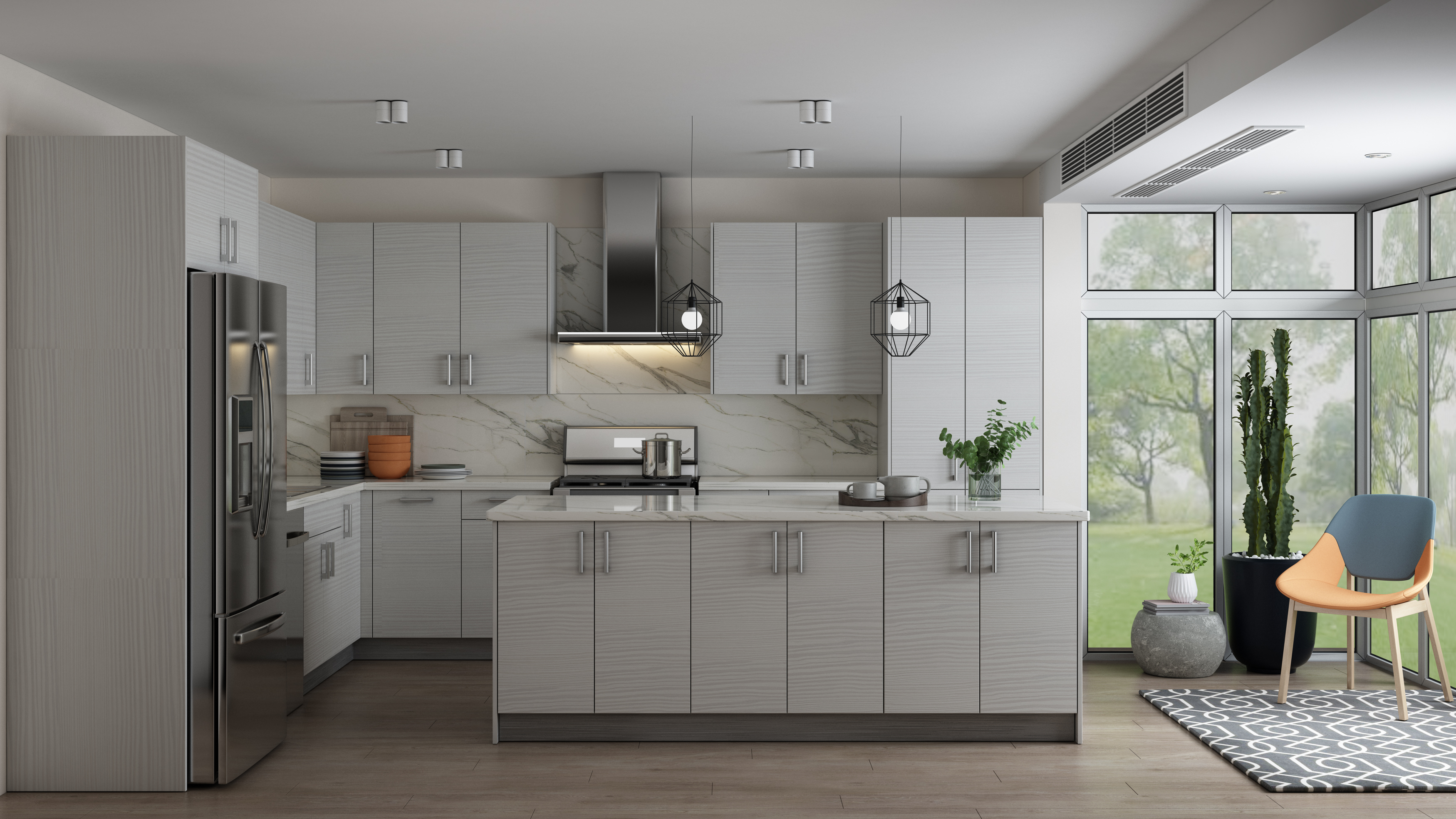
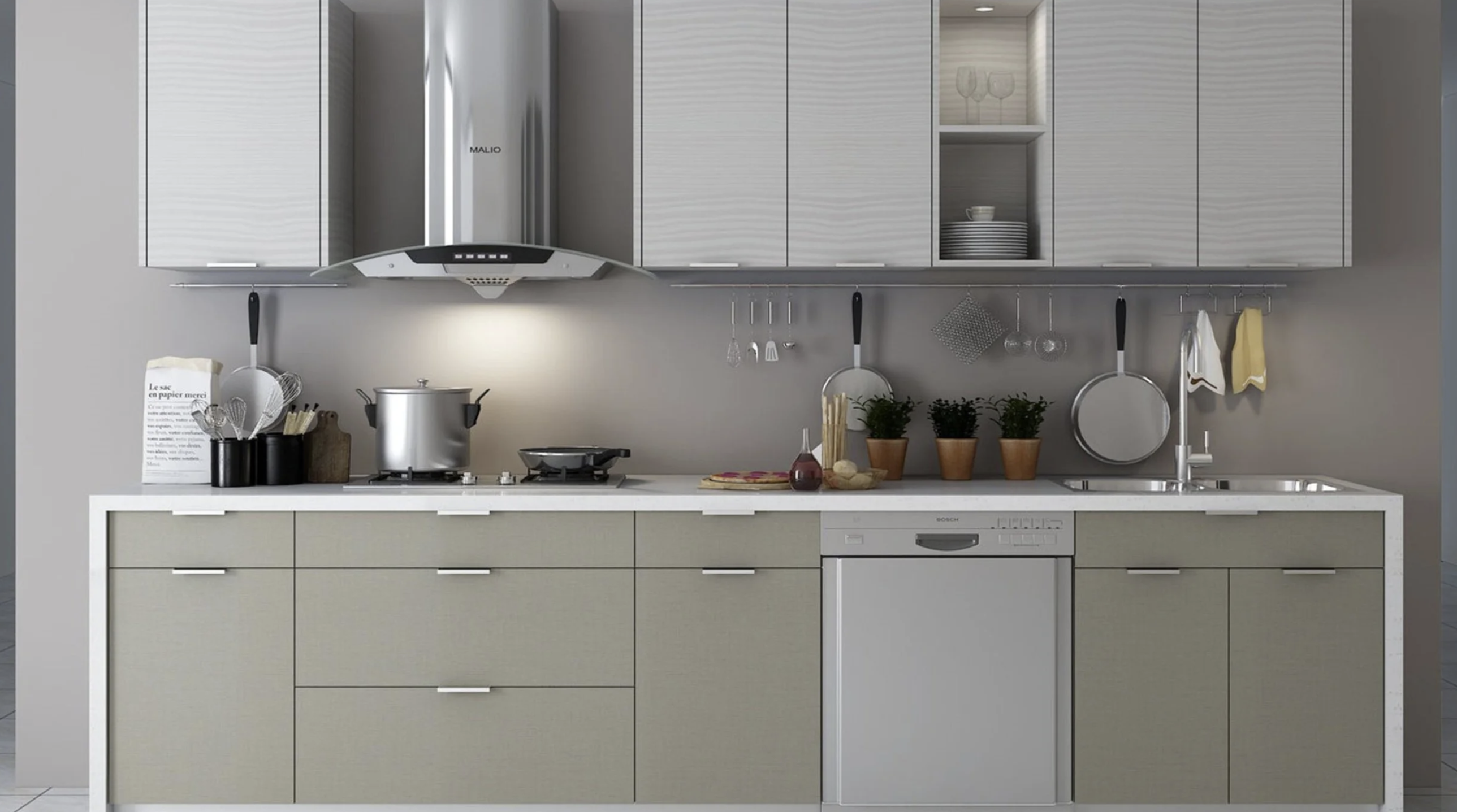
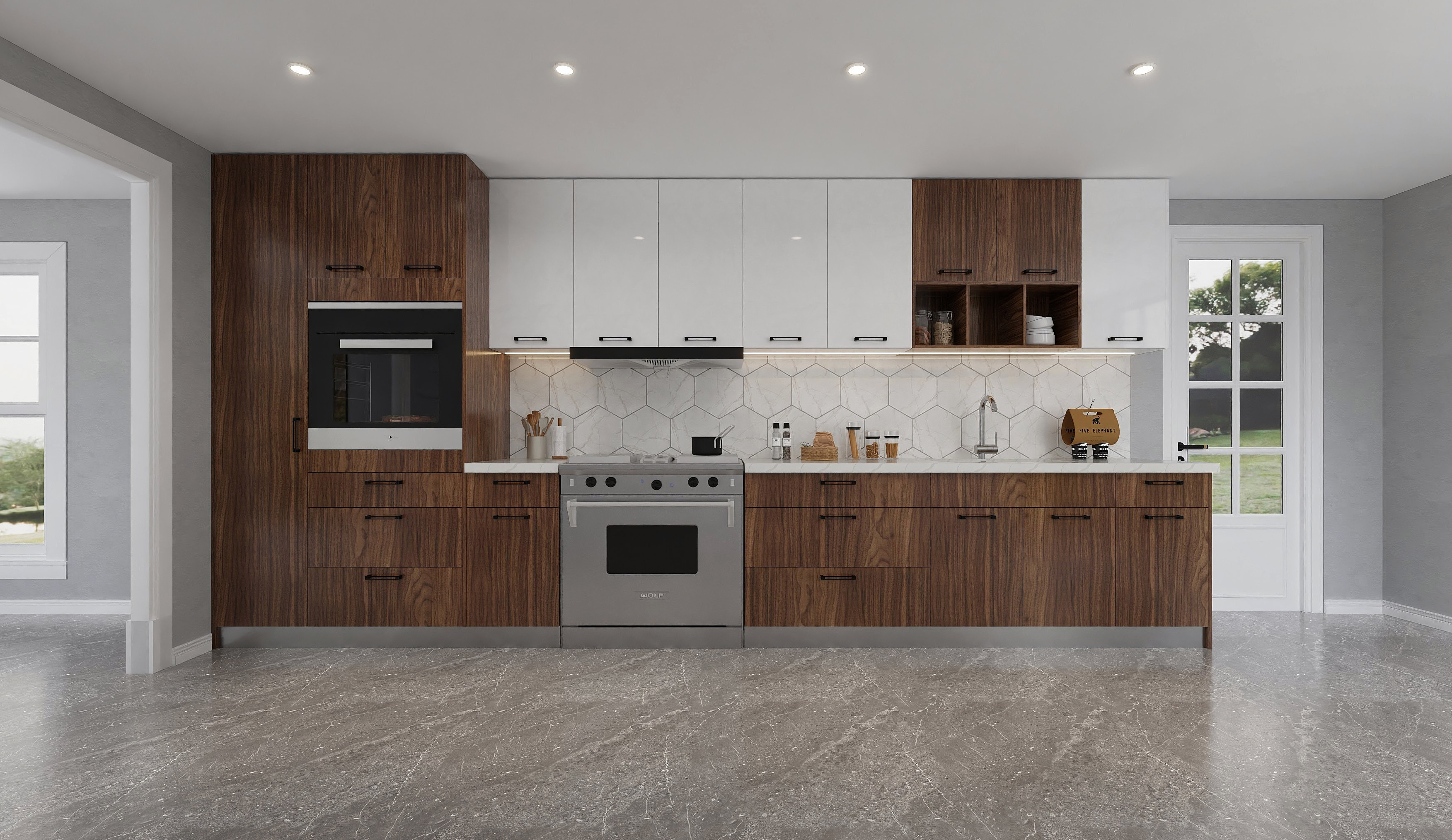
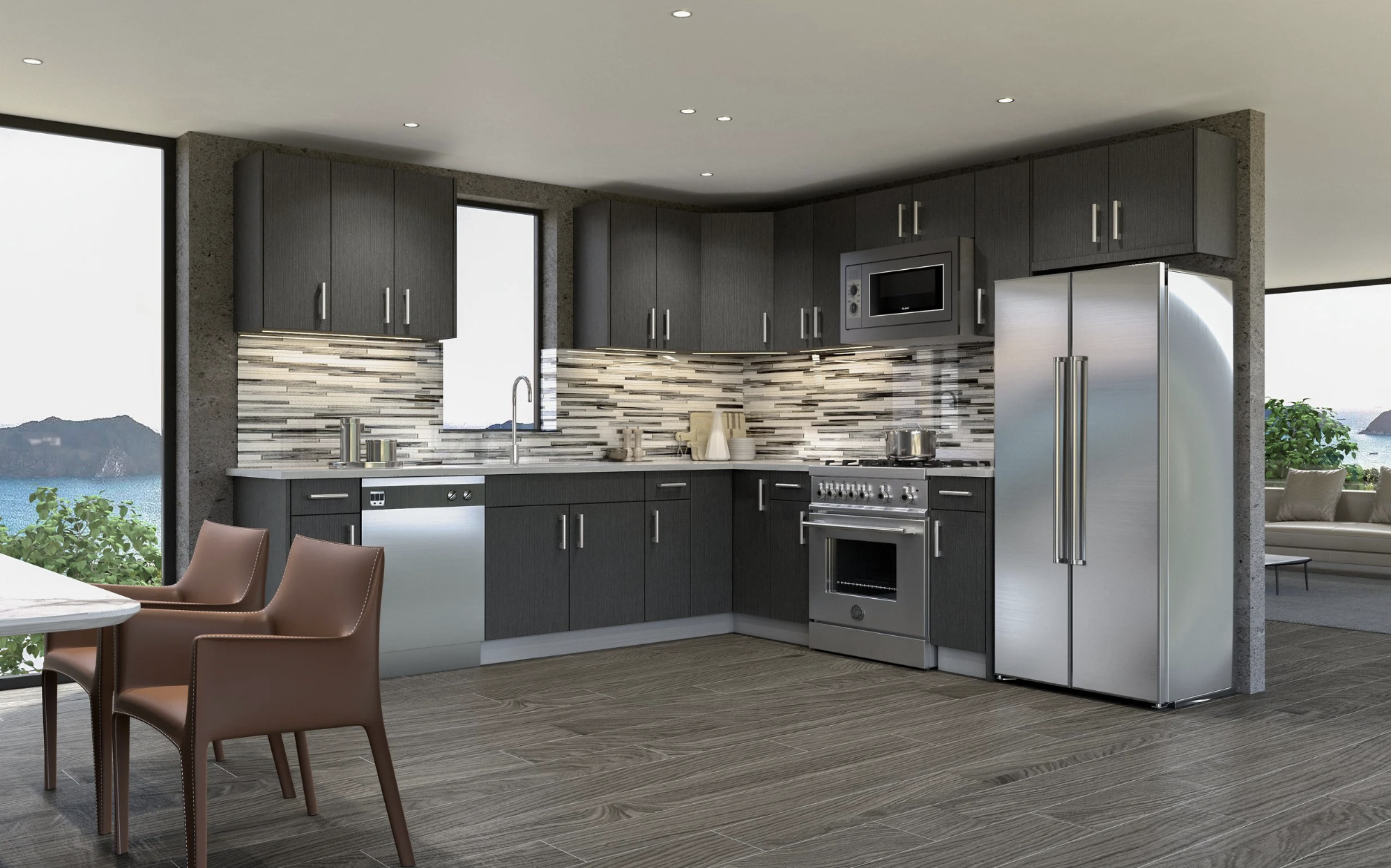
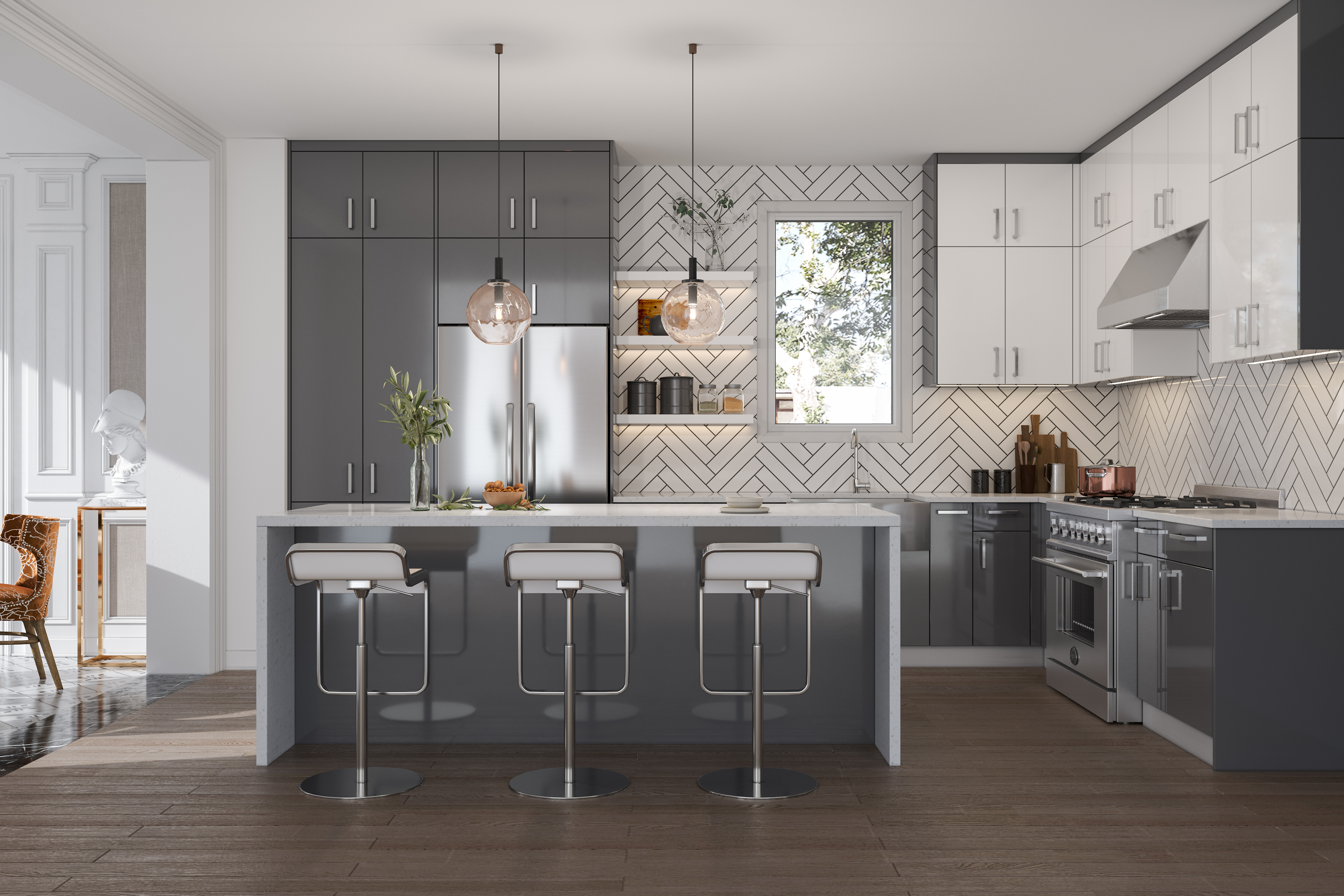
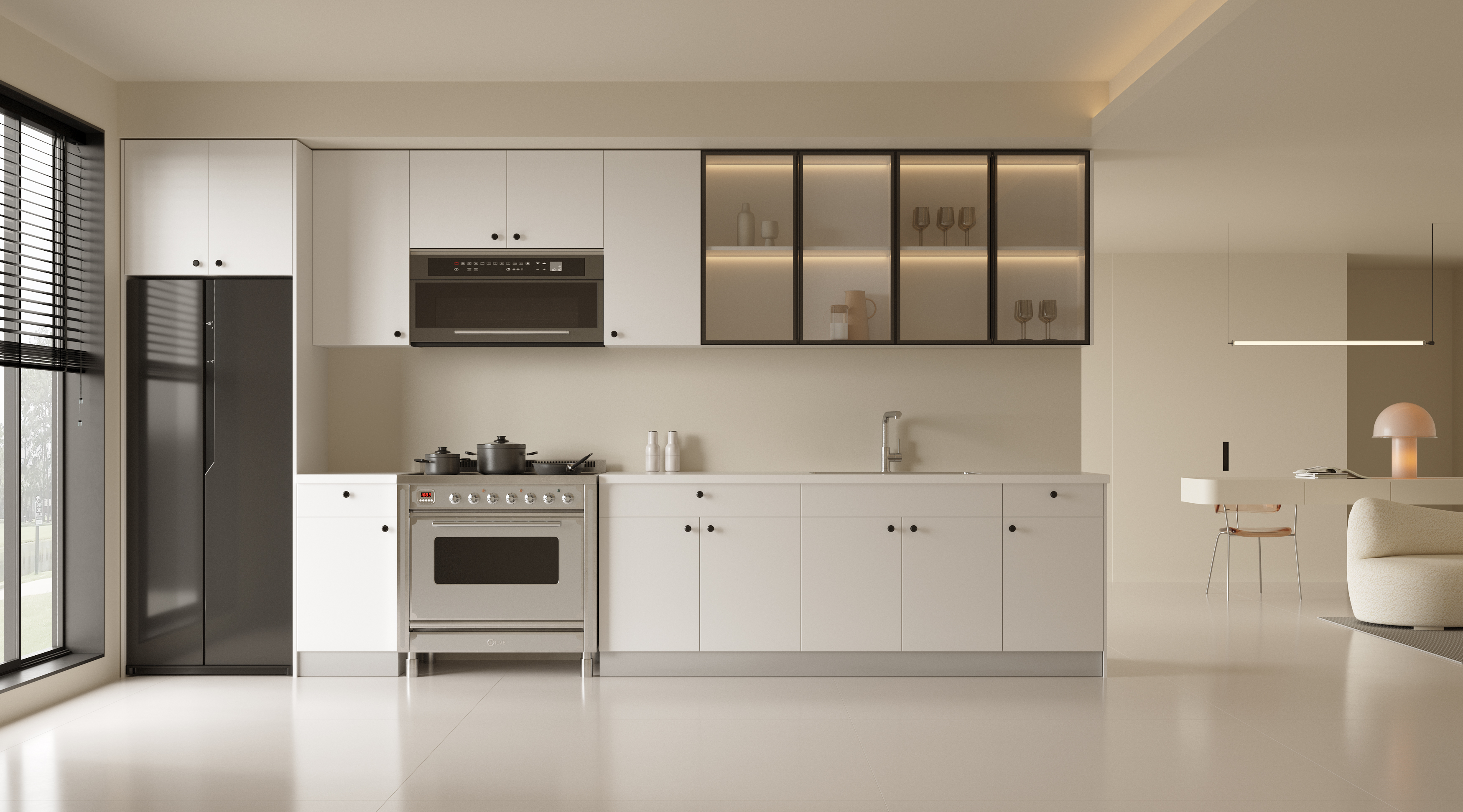
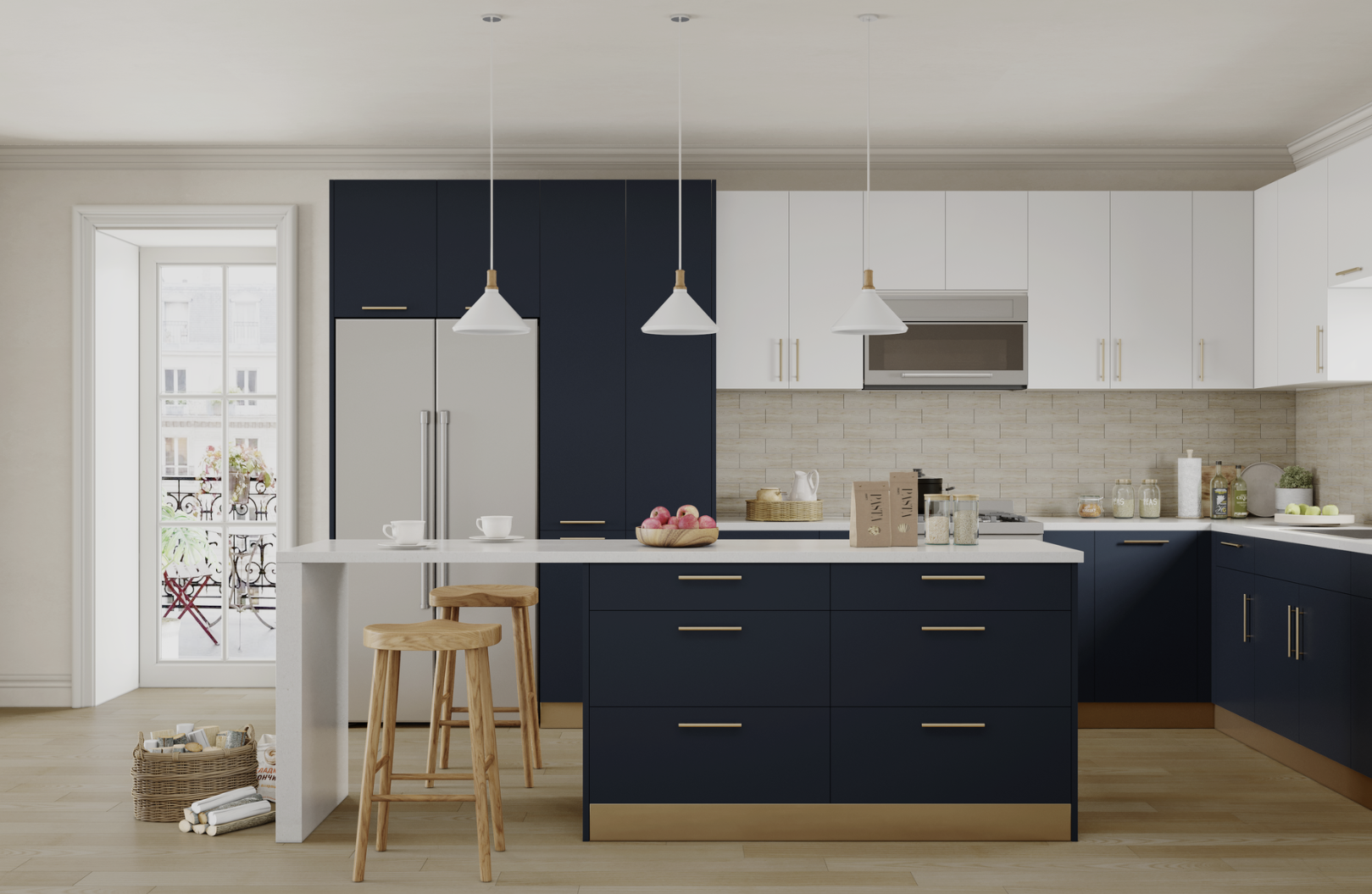
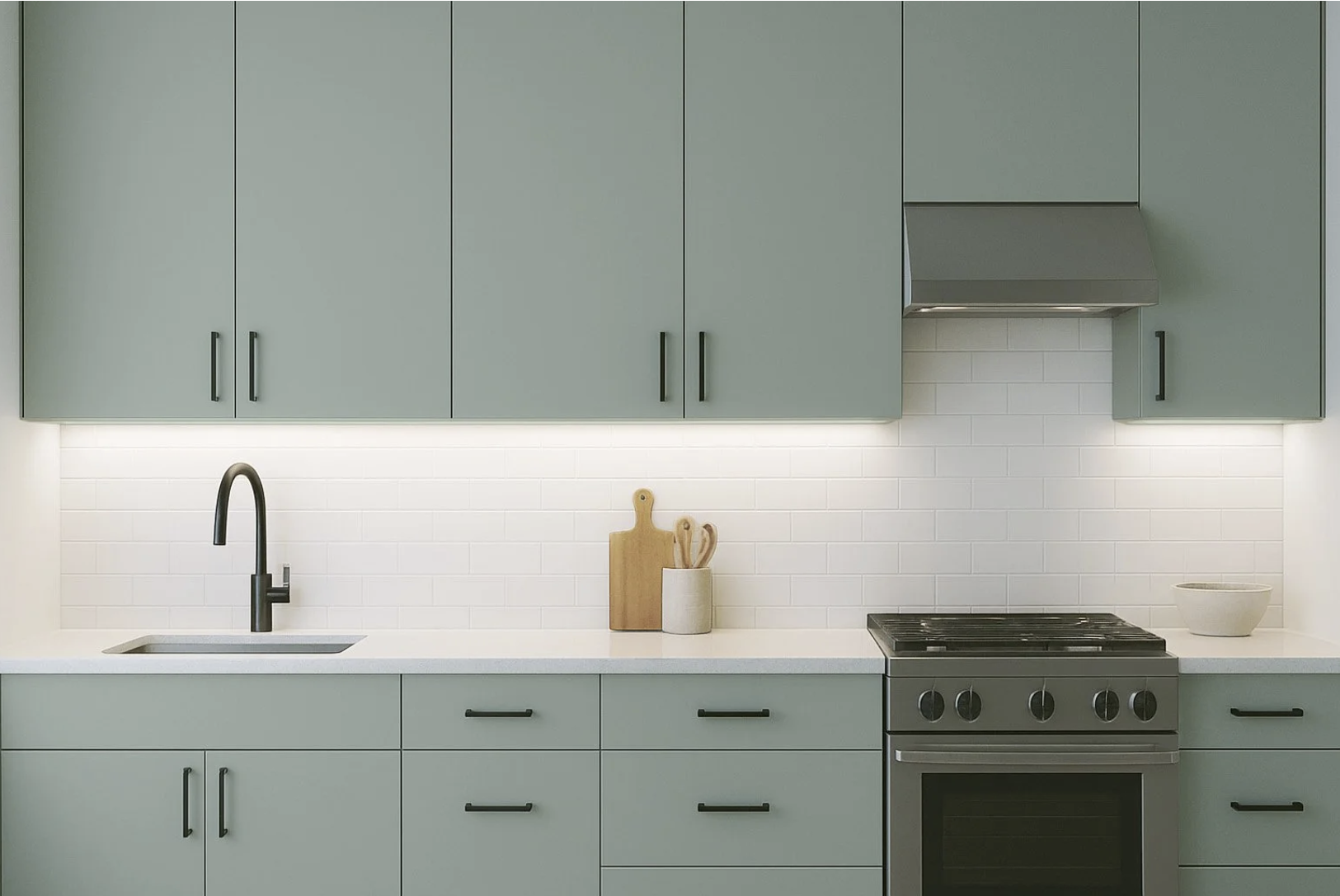
A cabinet baseboard, often referred to as a toe kick, is the recessed or finished panel located at the bottom of base cabinets. While it may seem like a small detail, the cabinet baseboard plays a critical role in both functionality and aesthetics in modern kitchens.
In 2026, cabinet baseboards are evolving beyond simple structural elements into design features that enhance comfort, style, and usability.

Why Cabinet Baseboards Matter
Cabinet baseboards are essential for ergonomic comfort and visual balance in kitchen design.
- Provides foot space for standing comfort
- Protects cabinet bases from damage
- Enhances overall kitchen aesthetics
- Creates a finished and cohesive look
Types of Cabinet Baseboards
1. Recessed Toe Kick
The most common type, recessed toe kicks are set back from the cabinet front to provide space for feet.
2. Flush Baseboard
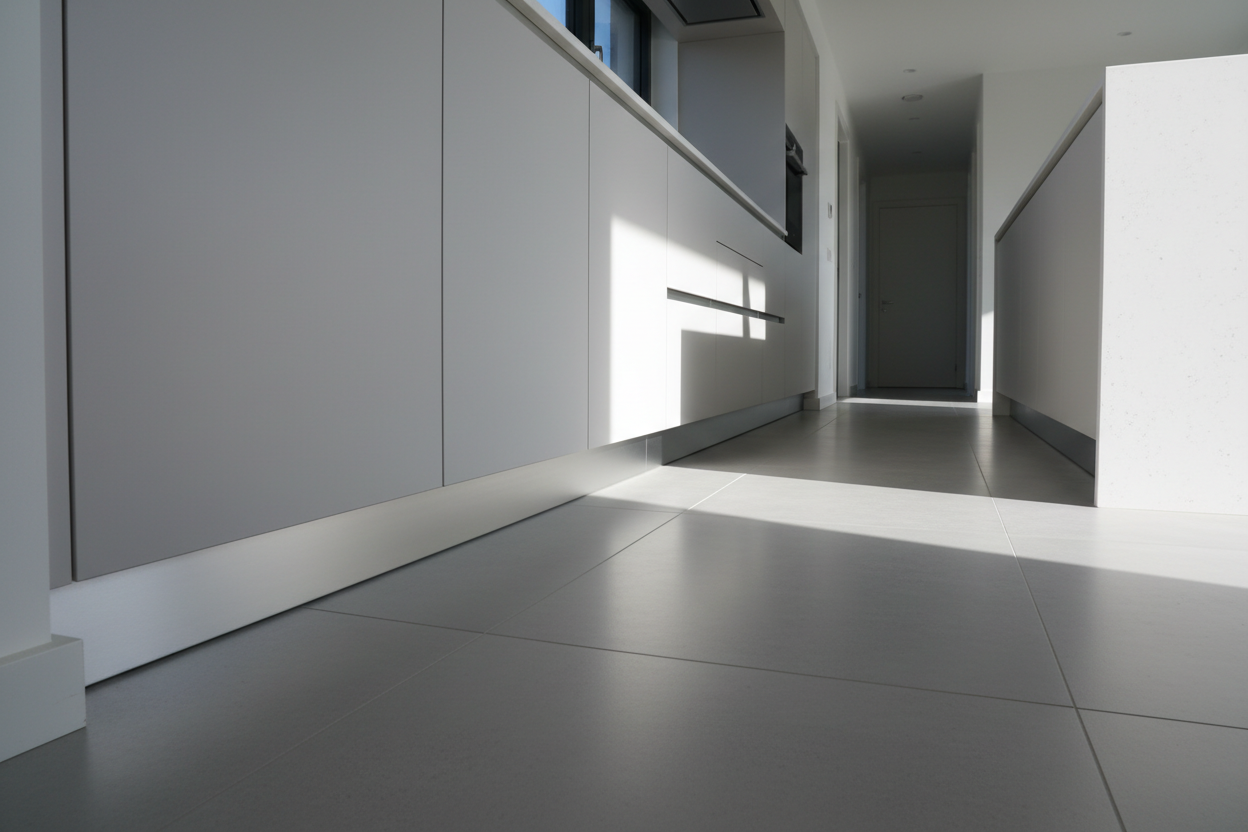
Flush designs align with the cabinet face, creating a sleek and modern look.
3. Decorative Baseboard Trim
These baseboards include molding or trim for a more traditional and elegant appearance.
4. Integrated Lighting Baseboards
Modern kitchens often include LED lighting in the cabinet baseboard for both functionality and ambiance.
Standard Cabinet Baseboard Dimensions
| Element | Standard Size | Purpose |
|---|---|---|
| Height | 3”–4.5” | Comfortable foot clearance |
| Depth (Recess) | 2”–3” | Standing space |
| Length | Matches cabinet width | Seamless installation |
Materials Used for Cabinet Baseboards
Wood
Solid wood baseboards offer durability and a premium look.
PVC or Laminate
These materials are moisture-resistant and ideal for kitchen environments.
Metal Accents
Used in modern designs for a sleek and contemporary appearance.
Design Trends for Cabinet Baseboards in 2026
1. Minimalist Flush Designs
Flush baseboards are becoming popular in modern kitchens for their clean lines.
2. LED Toe Kick Lighting
Integrated lighting enhances both functionality and ambiance.
3. Contrasting Colors
Using different colors for the baseboard creates visual depth and interest.
4. Seamless Integration
Baseboards that blend with cabinetry create a cohesive look.

How to Choose the Right Cabinet Baseboard
Consider Kitchen Style
Choose a baseboard design that complements your overall kitchen aesthetic.
Focus on Durability
Select materials that can withstand moisture and daily wear.
Evaluate Functionality
Ensure the toe kick provides adequate space for comfortable use.
Work with Experienced Cabinet Manufacturers
Professional cabinet manufacturers can ensure precise installation and high-quality finishes.
For example, Goldenhome, a global custom cabinetry manufacturer with over 27 years of experience, integrates cabinet baseboard design into its overall cabinetry solutions, ensuring both functionality and visual harmony.
Installation Tips for Cabinet Baseboards
- Ensure proper alignment with cabinets
- Use moisture-resistant materials in kitchens
- Secure baseboards firmly to prevent movement
- Consider removable panels for easy maintenance
Common Mistakes to Avoid
- Ignoring ergonomic dimensions
- Using low-quality materials
- Poor alignment with cabinets
- Overlooking design consistency
FAQ: Cabinet Baseboard
What is the purpose of a cabinet baseboard?
It provides comfort, protection, and a finished look to kitchen cabinets.
What is the standard height of a toe kick?
Typically between 3” and 4.5”.
Can cabinet baseboards include lighting?
Yes, LED lighting is a popular modern feature.
Conclusion
Cabinet baseboards may seem like a small detail, but they play a significant role in kitchen design and functionality. By choosing the right design, materials, and dimensions, you can enhance both comfort and aesthetics.
With the support of experienced cabinet manufacturers, cabinet baseboards can be seamlessly integrated into your kitchen design for maximum impact.