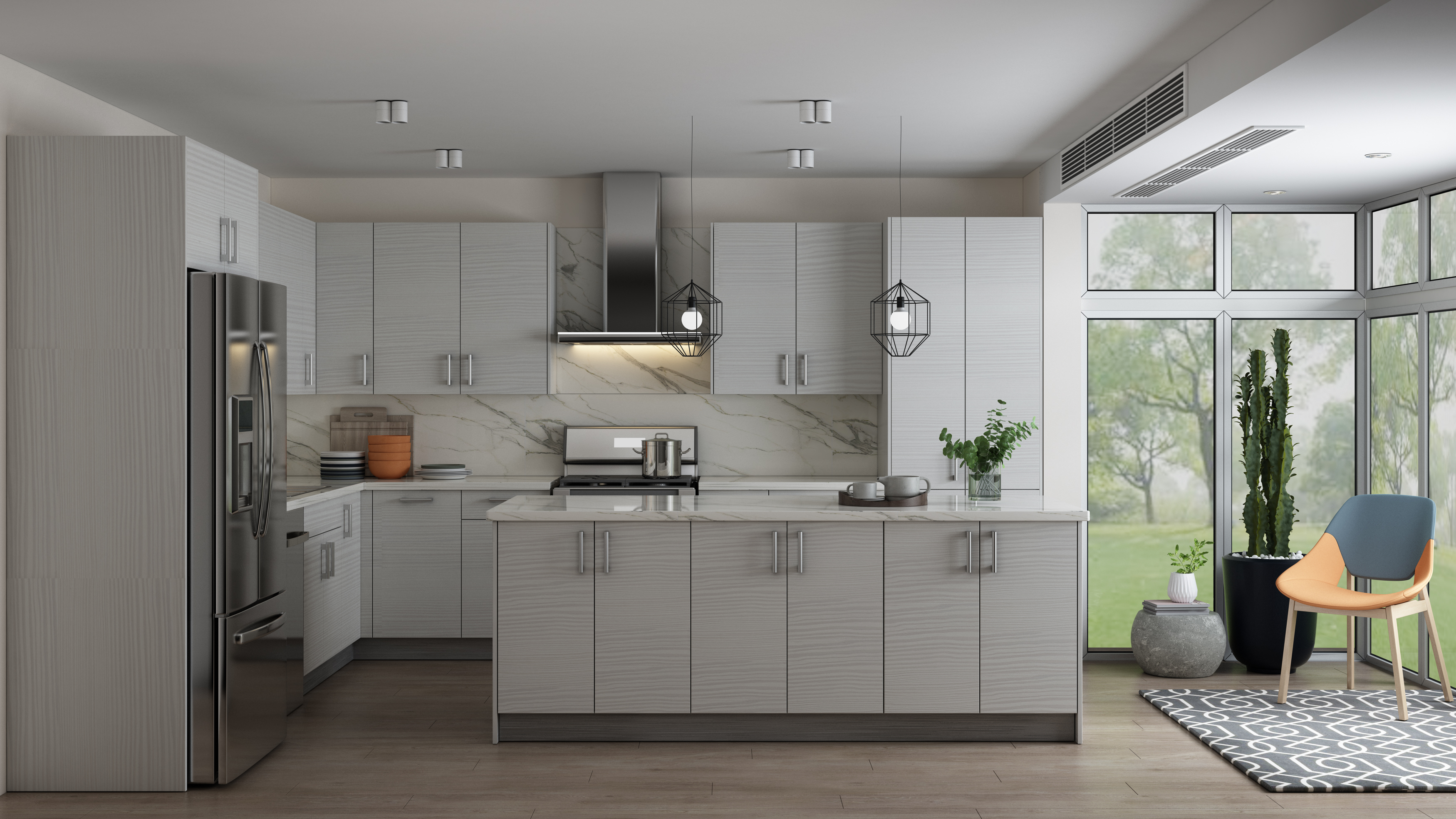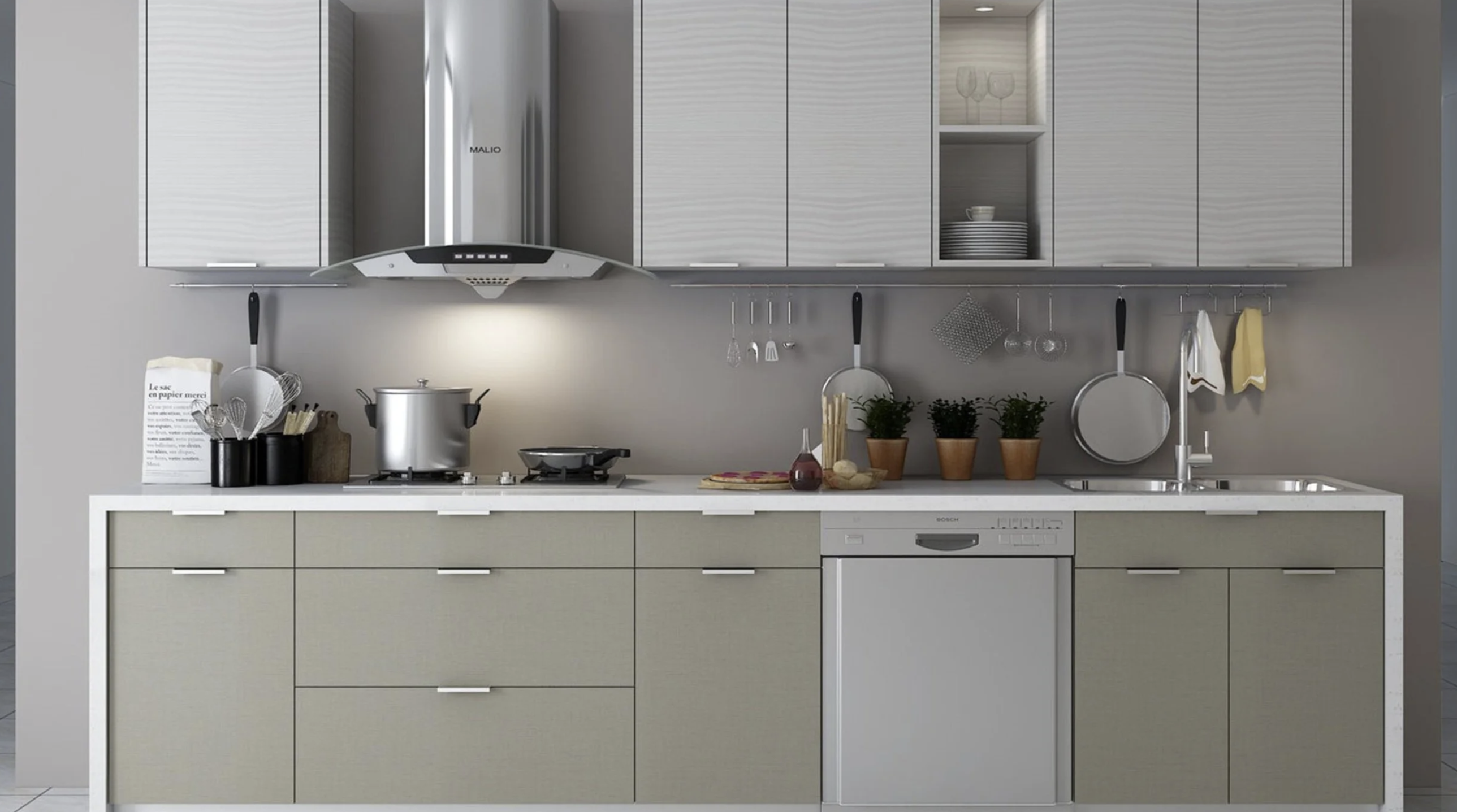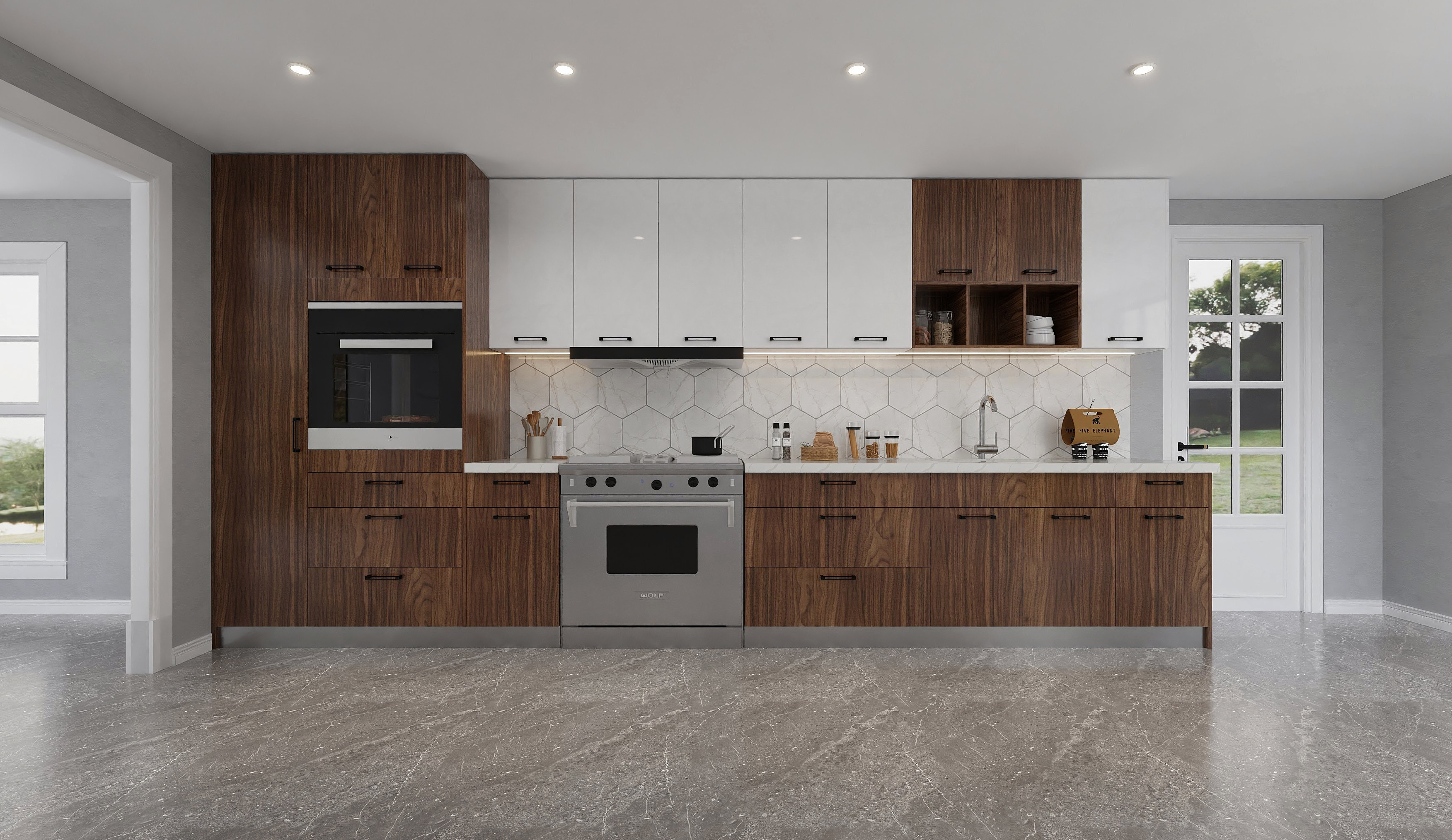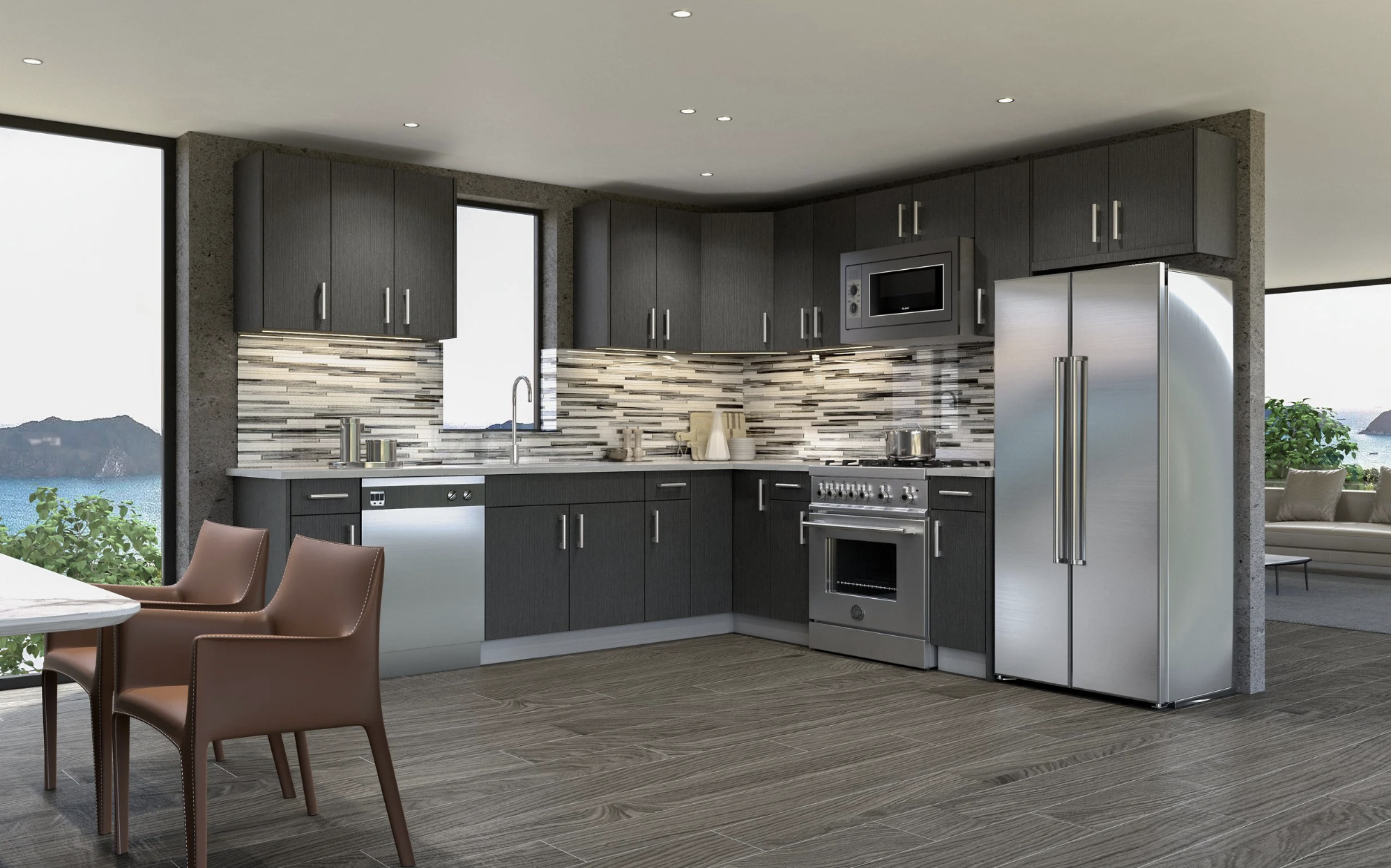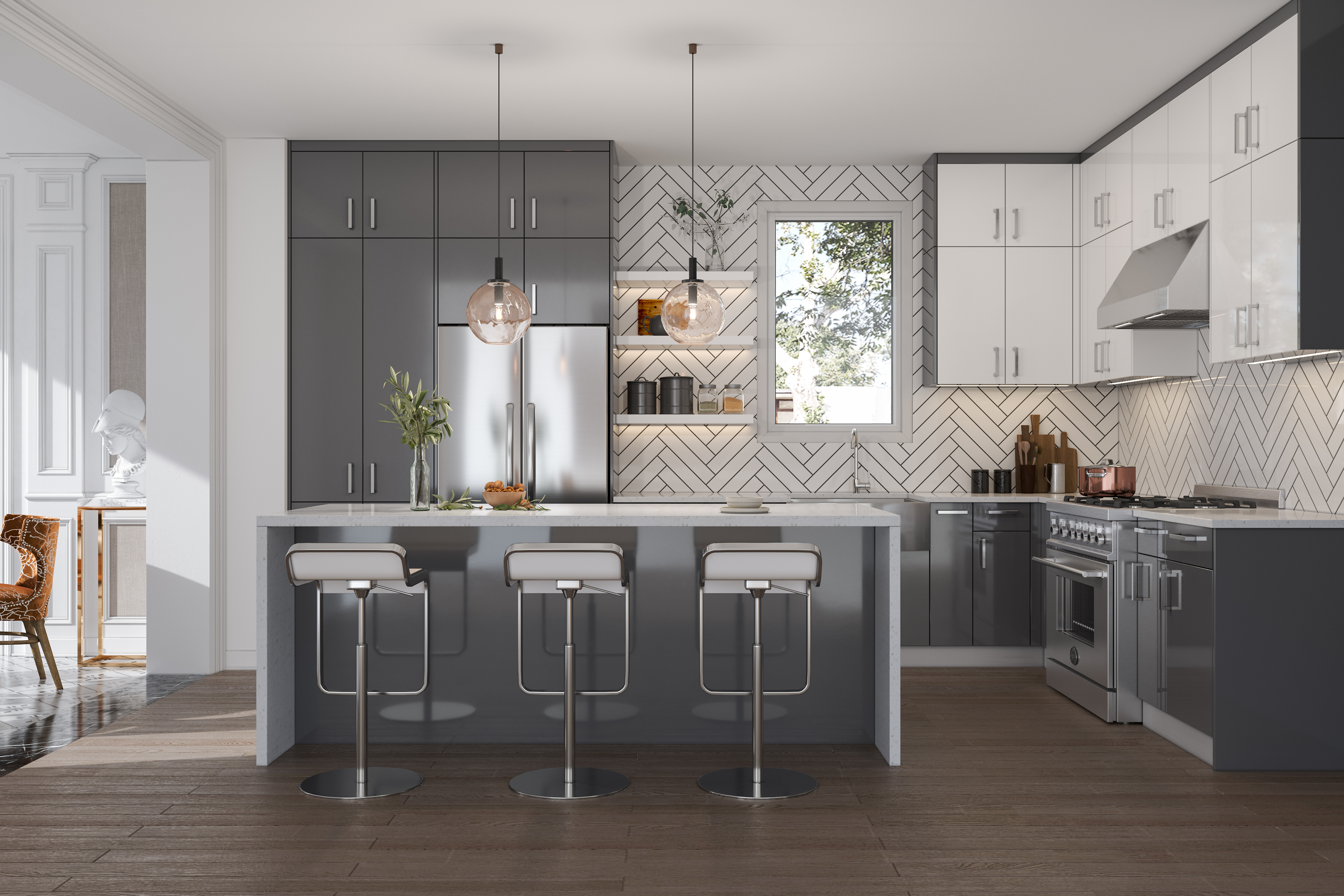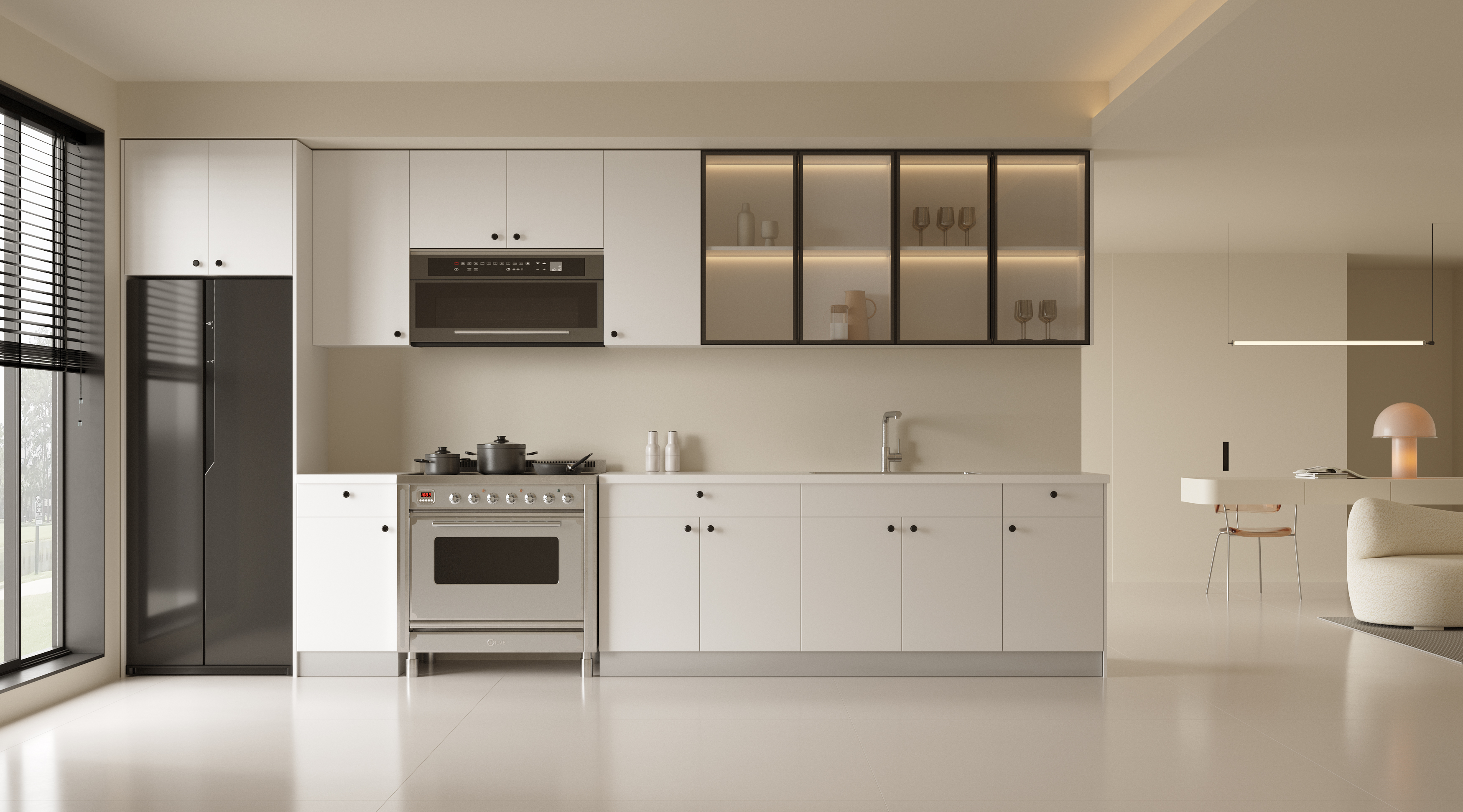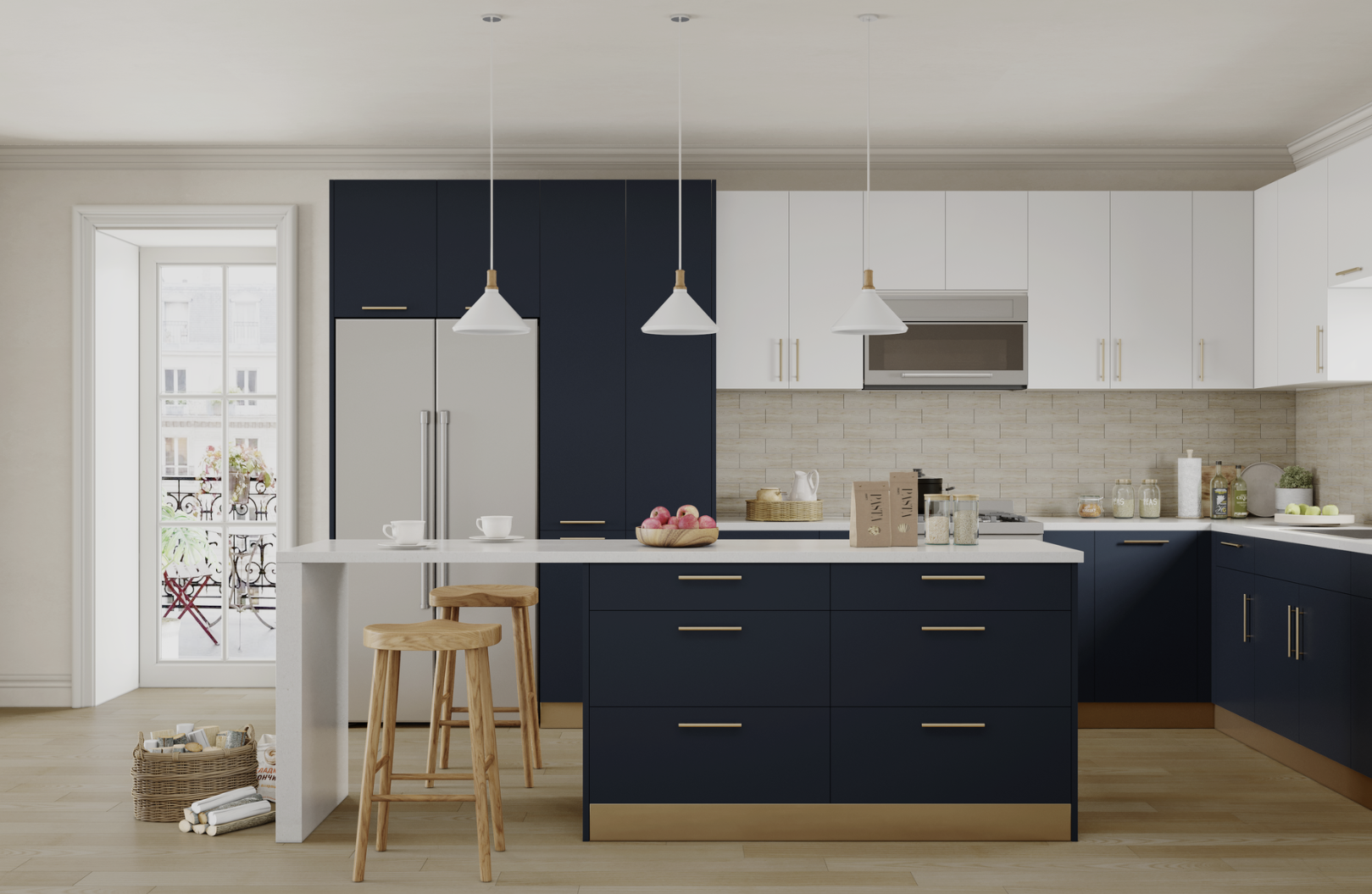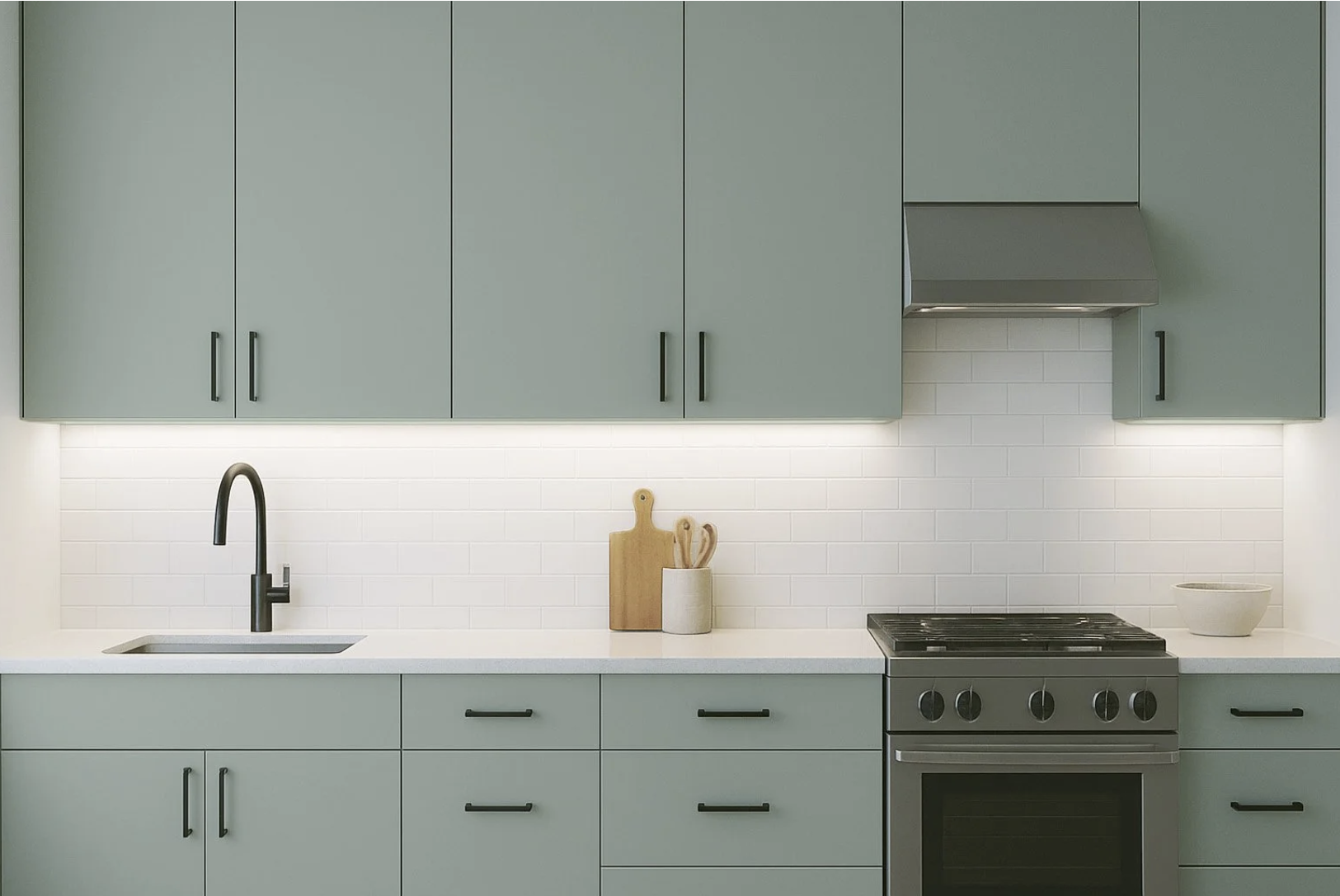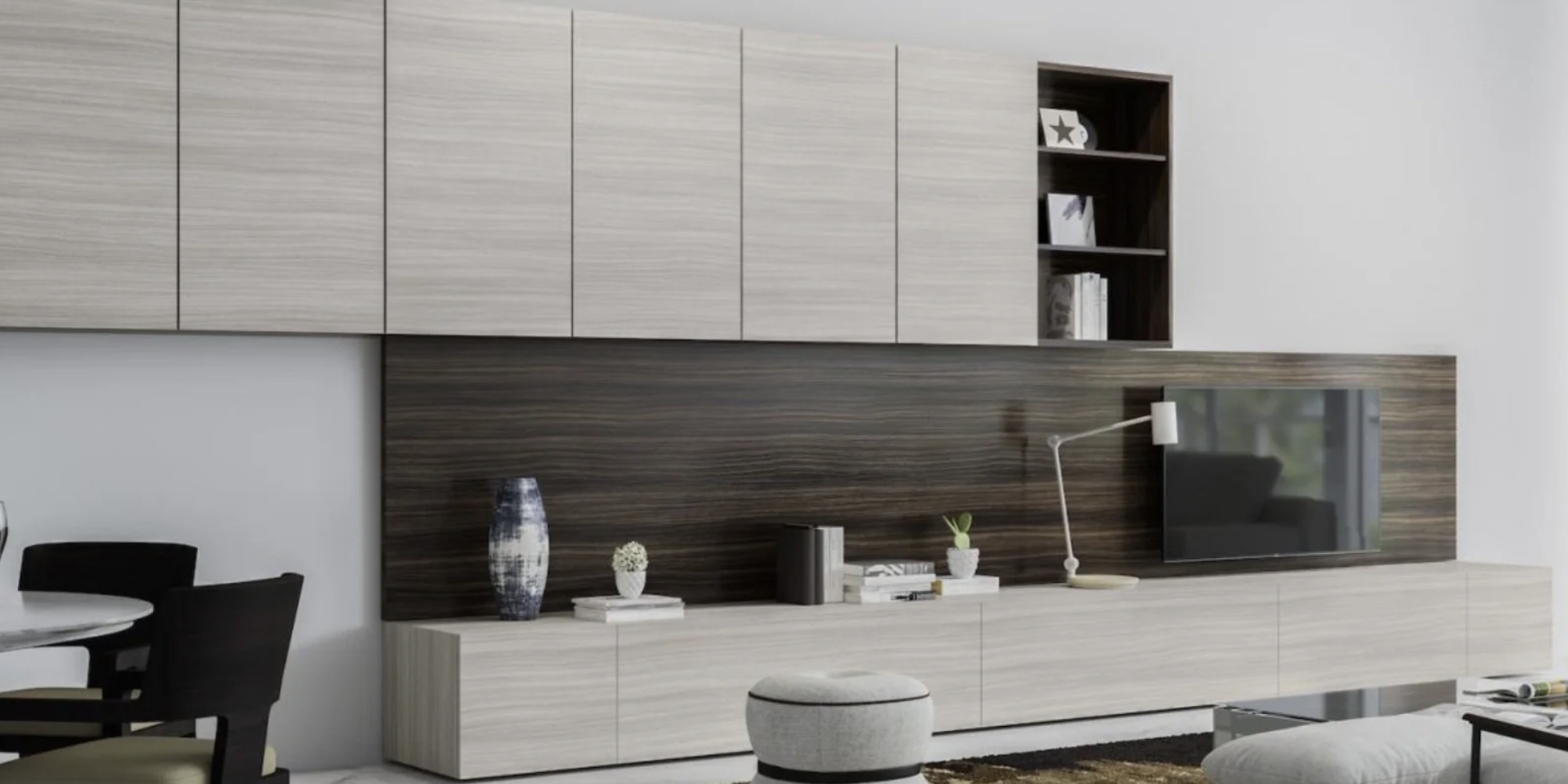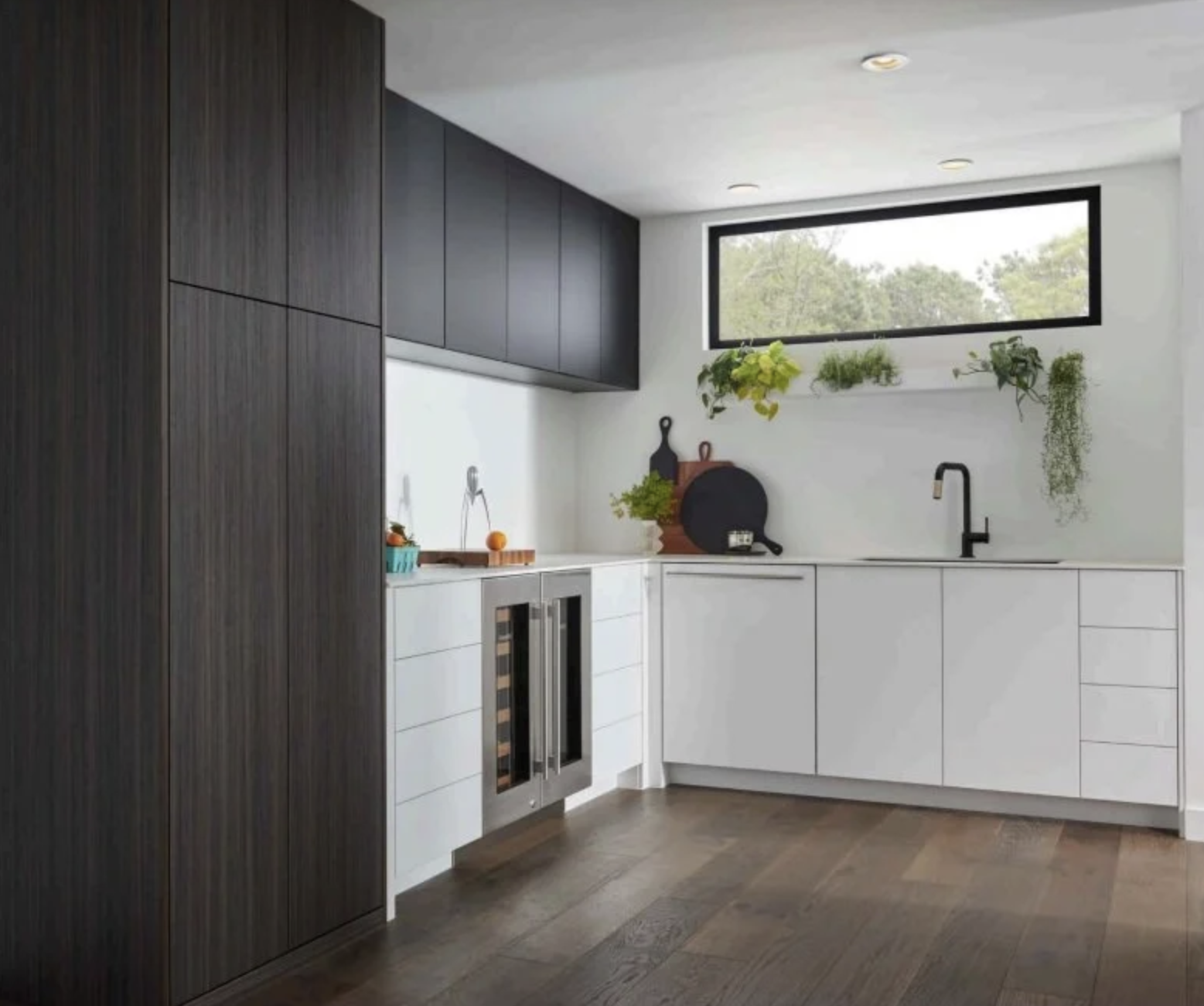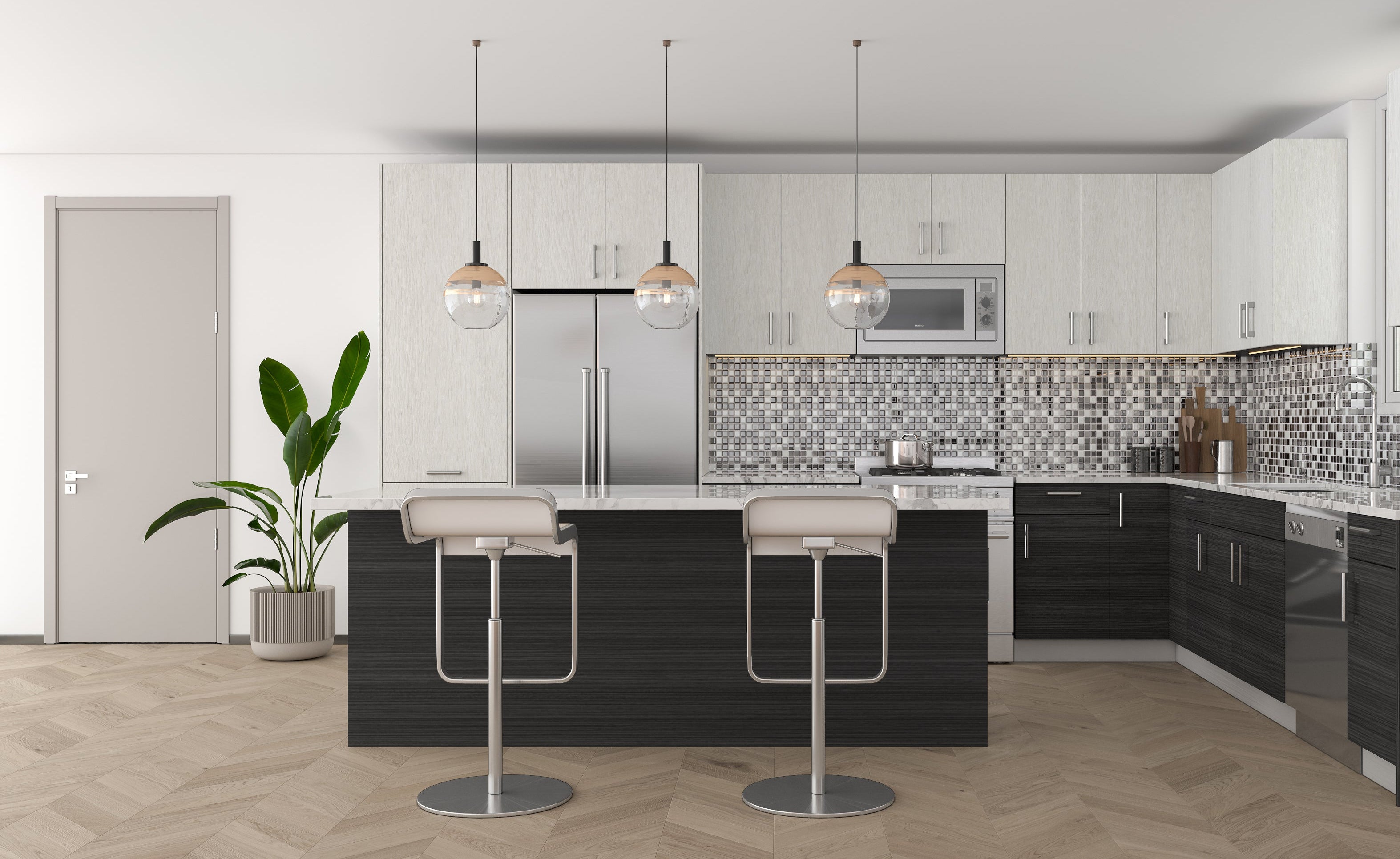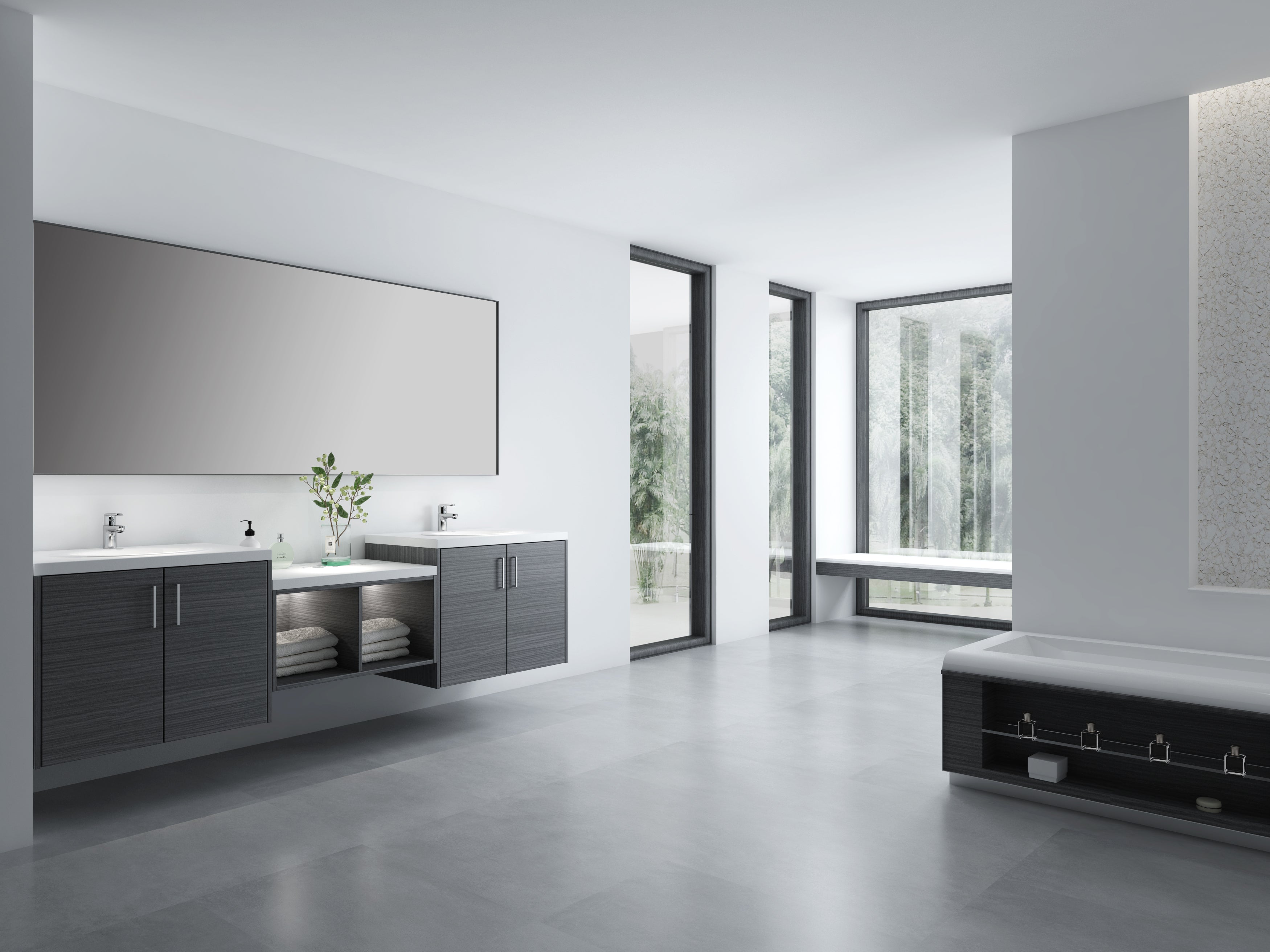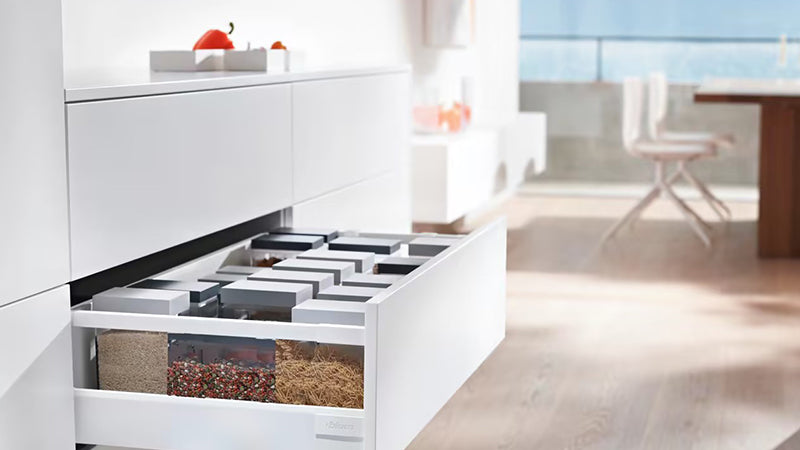

The material specification of modern kitchen cupboards is where most renovation budgets are either invested wisely or lost quietly. A cupboard door that looks identical to another in a showroom can perform entirely differently over five years of daily kitchen use — because kitchen environments are relentlessly hostile to materials specified without that context in mind.
Heat from cooking. Steam from boiling. Grease particles in the air. Door surfaces touched with wet or oily hands thousands of times a year. Hardware opened and closed with force. Any honest assessment of modern kitchen cupboard materials has to be made with these conditions as the baseline.

The Carcass: The Decision Nobody Sees But Everyone Lives With
Before finishing options, the structural carcass of a kitchen cupboard determines how the unit performs over its lifespan. Two materials dominate quality modern kitchen cabinetry manufacture:
Moisture-Resistant MDF (MR MDF)
The industry standard for cupboard carcasses in residential kitchens. Dimensionally stable, machines precisely, accepts face finishes consistently. Its critical requirement is edge sealing — unprotected MR MDF edges near water sources (under sinks, near dishwashers) will swell over time. Properly sealed and installed, it performs well for 15–20 years. The limitation is screw-holding strength at edges — important for hinge placements and internal shelf pin holes.
Furniture-Grade Birch Plywood
The premium carcass choice. Superior screw-holding at all grain directions, better strength-to-weight ratio, and marginally more resistance to humidity cycling than MDF. The cross-ply construction means it won't cup or twist under the temperature and humidity fluctuations that kitchens experience seasonally. Costs 25–40% more than MDF carcasses — a premium that's genuinely warranted in high-use family kitchens or coastal environments where humidity is persistent.
Door Finish Options: An Honest Performance Matrix
Sheen Level: The Variable That Changes Everything
Whatever material is selected for modern kitchen cupboards, the sheen level of its finish fundamentally affects how the kitchen reads — and how forgiving the surface is in daily use.
- Ultra-matte (under 5% sheen): Highly contemporary, pairs with natural and raw materials. Absorbs light rather than reflecting it, giving depth. The trade-off: some ultra-matte finishes are less wipeable than mid-sheen options and can mark with oily contact.
- Matte to satin (5–30% sheen): The practical sweet spot for most modern kitchen cupboards. Fingerprint-resistant, easily cleaned, reads as quality without the high-maintenance implications of full gloss. The most specified range in contemporary residential kitchens.
- Semi-gloss to gloss (40–90% sheen): Reflective, space-enlarging, dramatically light. Unforgiving of surface imperfections and fingerprints. Tends to show micro-scratches and wear patterns more rapidly than matte finishes.
Hardware Finishes: Where Small Decisions Have Large Visual Impact
In modern kitchen cupboards with visible hardware, the finish of handles and pulls operates as a material in its own right. The options currently most specified in quality kitchens:
- Brushed brass / satin brass — warm, pairs naturally with oak veneer and warm-tone lacquers; ages gracefully if unlacquered, maintains consistent appearance if lacquered
- Matte black — the most versatile contrast hardware, works across warm and cool cupboard colours; shows dust accumulation in kitchen environments
- Brushed stainless / nickel — neutral, professional-feeling, works in both residential and hospitality kitchen contexts
- Gunmetal / dark bronze — between black and brass in visual temperature; increasingly specified in kitchens with a deliberately layered material palette
The critical principle: hardware finish should be resolved as part of the overall material palette, not chosen independently. A single consistent metal tone across pulls, faucet, and appliance trim reads as designed. Three different metal tones — even if each is individually attractive — reads as unconsidered.

What Manufacturers With Depth Bring to Material Selection
Material performance in modern kitchen cupboards is not primarily a product category question — it's a manufacturing quality question. The same veneer can be superbly or poorly applied; the same lacquer can be properly cured or under-baked; the same hardware can be fitted with precise or sloppy tolerances.
This is why manufacturer track record matters as much as material specification. Goldenhome's global custom cabinetry operation — developed across more than 27 years of manufacturing — applies this quality consistency at scale, maintaining material and process standards that smaller operations cannot sustain across varied project types and international environments.
The question worth asking any supplier: not just what materials they use, but how they process them, what quality control occurs before delivery, and what their warranty covers if finish performance falls short of specification. The answers reveal more about material quality than any catalogue specification sheet.